
Fleet Maintenance: Coolant Sampling Prevents Engine Failures and Downtime
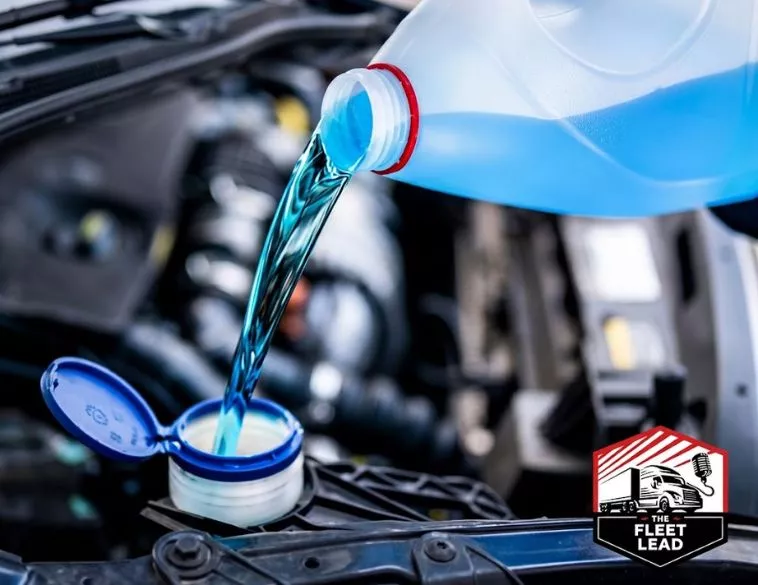
Establishing routine coolant analysis enables commercial fleet managers to detect system contamination and internal engine wear before catastrophic breakdowns occur.
While fluid analysis programs typically focus on engine oil, monitoring coolant condition has become essential to extending heavy-duty powertrain service life. According to Max Cundiff, industrial sector manager at Chevron, higher combustion temperatures and modern emissions hardware accelerate coolant degradation, raising the risk of severe mechanical failures.
For fleet maintenance directors and shop managers, incorporating coolant testing into existing preventive maintenance schedules identifies additive depletion, fluid contamination, and cylinder liner cavitation before irreversible engine damage develops. Imbalances in glycol concentration or cross-contamination with oil compromise heat transfer capabilities, driving up thermal stress on critical powertrain components.
Implementing a structured sampling cadence provides fleet executives with actionable diagnostic data to prevent unscheduled downtime, protect equipment margins, and optimize overall fleet reliability.