

Building Made-in-Canada Electric Vehicle Chargers
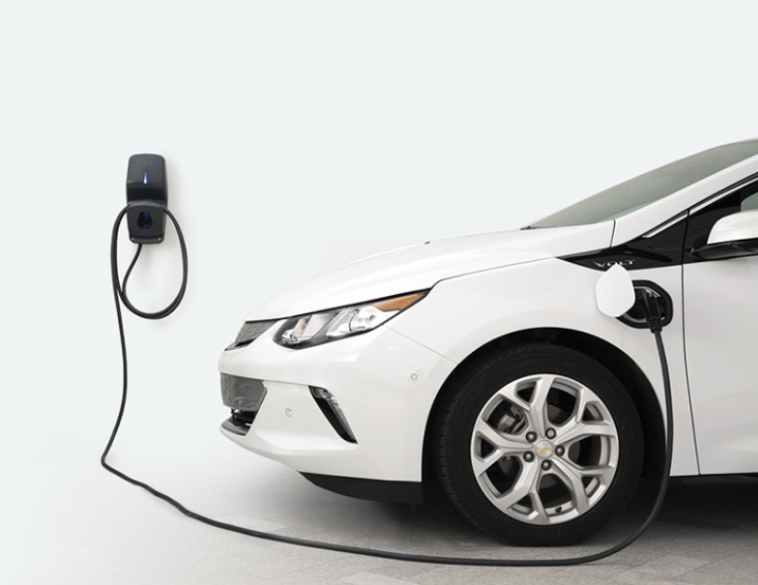
From mining to manufacturing, to charging, Canadian businesses and workers are attracting historic investments in the electric vehicle (EV) supply chain.
The Prime Minister, Justin Trudeau, today visited the facilities of EV charger manufacturer FLO in Shawinigan, Quebec, to highlight made-in-Canada chargers. Canadian workers are leading every step of the EV supply chain, from mining and processing critical minerals, to building EVs and batteries, to building charging infrastructure.
Based and founded in Quebec in 2009 as AddÉnergie, FLO is now the leader in smart charging solutions for electric vehicles in Canada and is expanding into international markets, demonstrating Canada's expertise and innovation.
To make EVs more accessible for Canadians, the Government of Canada is investing more than $1.2 billion in projects to build almost 84,500 chargers by 2027, of which thousands are already in service. This is in addition to charging stations supported by investments from provinces, territories, and the private sector.
Canada currently has nearly 20,000 publicly available charging stations at 8,249 charging sites across the country.
Canadian-made electric vehicle chargers are win-win-win: not only do they support good middle-class jobs and position Canada as a global leader on clean tech, they also make it easier than ever for Canadians to choose an EV as their next vehicle. Going electric saves families money on monthly expenses, all while keeping our air clean for generations to come.
— The Rt. Hon. Justin Trudeau, Prime Minister of Canada
While in Quebec, the Prime Minister will visit the Hydrogen Research Institute (HRI) of the Université du Québec à Trois-Rivières, which conducts research on technologies to support the storage, production, and use of hydrogen. The Université du Québec à Trois-Rivières is supporting the development of Canadian hydrogen hubs and supply chains, to help cut emissions from transportation, including trucking and marine transportation. Developing and adopting more hydrogen technology not only creates jobs and economic growth but helps reduce pollution and fight climate change. The Minister of Innovation, Science and Industry, François-Philippe Champagne, is attending both events.
Canadian workers and businesses are already leading in clean energy and technology, and the components that go into it. As demand continues to grow, positioning Canada as a reliable supplier of clean technology will create even more Canadian jobs, grow our economy, and cut pollution to help fight climate change.