
Ford and Industry Coalition Target Technical Training Pipeline
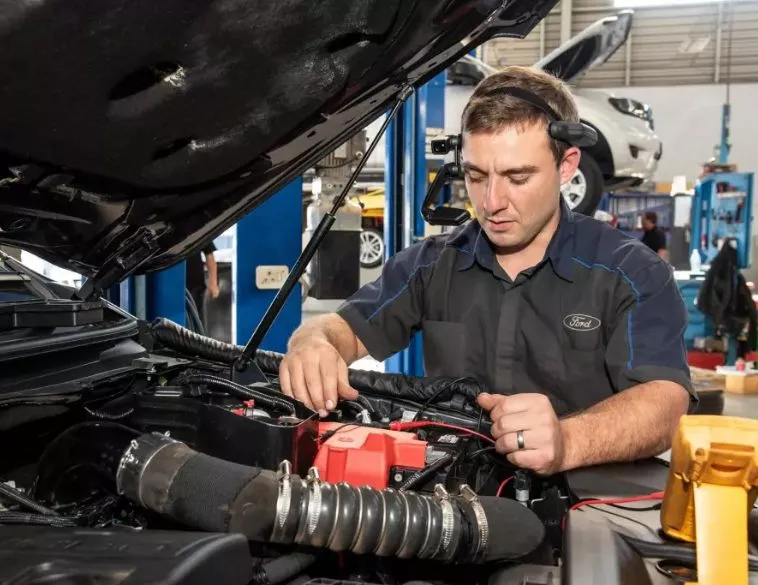
Major corporate partners are investing in paid apprenticeship models to reverse high dropout rates and secure the next generation of automotive technicians.
The worsening shortage of skilled mechanics and technicians poses a direct operational threat to commercial fleet uptime and dealership service capacity. A landmark report released by the Alliance for America's Skilled Trades—a corporate coalition backed by Ford, BlackRock, and Google—reveals that technical training programs currently graduate only 55 qualified workers for every 100 open trade positions.
For automotive dealer principals, fleet maintenance executives, and independent shop owners, the primary bottleneck stems from program attrition, with roughly 50% of trade students dropping out before completion. The coalition is working to overhaul trade pathways by expanding structured, paid apprenticeship models, which have demonstrated completion rates exceeding 90%.
By investing in early career exposure and modernizing technical education equipment, Ford and its partners aim to stabilize the talent pipeline required to keep commercial vehicle bays fully staffed.