
Lumber, Trails and Technology

Logging Fleets need practical and scaleable Telematics solutions
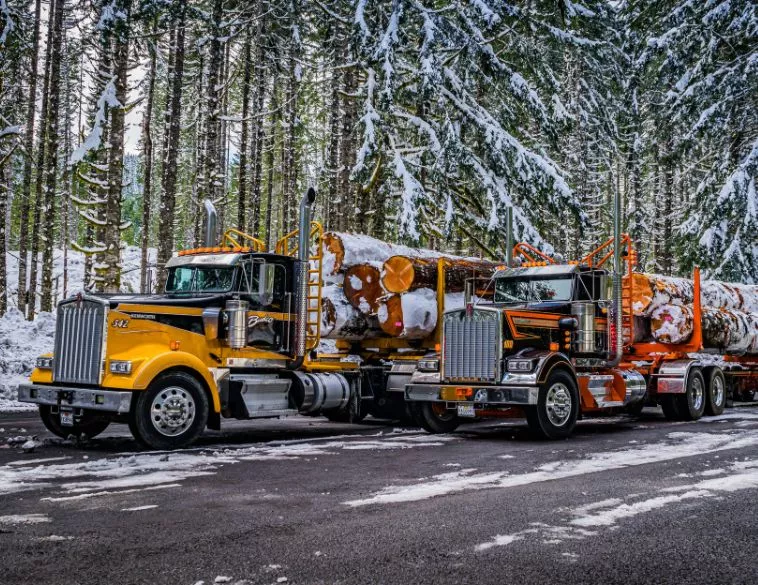
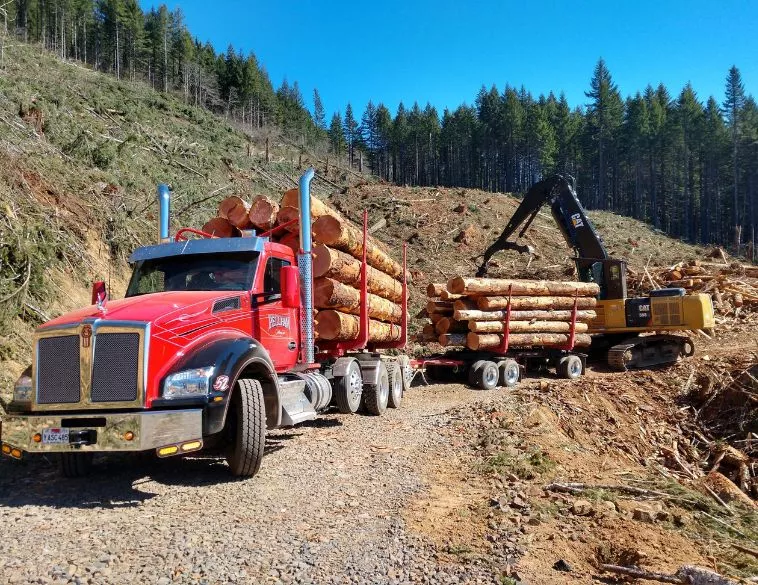
Logging fleets have to deal with some unique operating environments. Mountainous terrain, remote locations, rudimentary roads and unpredictable weather are just some of the conditions they face. And in today’s operating environment, where accurate data is essential for fleets, ensuring access to reliable telematics often requires a unique approach.
“Logging fleets need a complete view of both vehicle and operating conditions,” says Zac Hales, Senior Solution Partnerships Manager at Geotab. “Important data includes vehicle location, speed, harsh braking and acceleration, seat belt use, driving hours, engine health, fuel consumption, maintenance status and vehicle utilization.”
Hales notes that when transporting heavy lumber loads or equipment through remote, dense forests, location data and geofencing become particularly valuable. “Logging fleets can use this information to monitor access to worksites, identify route risks, confirm vehicle movements and support emergency response,” he says.

Effective route planning
Because logging operators require vehicles that can haul heavy payloads and in unpredictable weather conditions, often navigating steep and narrow rudimentary roads and trails in remove locations, good route planning is essential. “Telematics can really help fleet managers plan more efficient routes, as well as identify potential hazards, monitor progress and adjust operations when conditions change,” says Hales.
One factor many logging operators have to contend with, especially in areas like the Pacific Northwest, is having continuous connectivity when their vehicles are being utilized in remote locations. Hales notes that in these kinds of situations and conditions, solutions like Geotab’s telematics platform and GO device can offer a significant advantage.
“When a vehicle is in an area with cellular coverage, managers can view current location and vehicle information,” says Hales. “When that vehicle enters a communications dead zone, the GO device continues recording data onboard but that information cannot be transmitted until the device reconnects,” Hales explains. During that period, he says that managers will see the vehicle’s last known position rather than a live location. Nevertheless, once connectivity is restored and that logging truck exits that dead zone, the stored information can be transmitted and reviewed, helping provide a more complete record of the vehicle’s entire route, as well as the activity and operating conditions along the way.
Hales says that for vocational fleets like logging operators, this combination of location history, vehicle data and operational context can help managers understand what happened during a trip and initiate a more effective response if a vehicle breaks down, or becomes stranded, enabling faster and more effective emergency support and recovery efforts.
“Logging fleets need a complete view of both vehicle and operating conditions. Important data includes vehicle location, speed, harsh braking and acceleration, seat belt use, driving hours, engine health, fuel consumption, maintenance status and vehicle utilization.”
- Zac Hales, Senior Solution Partnerships Manager, Geotab
Identifying potential risks
Hales notes that armed with this kind of information, over time, patterns emerge and “analyzing trends can reveal recurring route risks, unsafe driving patterns, excessive idling, inefficient travel, unusual equipment use or maintenance issues before they become more serious problems for the fleet operator.
Additionally, effective telematics solutions can also help with compliance, enabling fleets to track driving hours, monitor vehicle activity and analyze inspection records. In turn, this informant and activity can be feed into federal, state and provincial operating requirements to ensure everything is current and legal.
“For logging operations, this can help confirm that vehicles are operating as expected,” says Hales “and that the required records are up-to-date, supporting the fleet’s wider efforts to reduce any risk of delays, unsafe transportation conditions and fines.”
The logging sector in North America has unique operating requirements, including operating mixed types of trucks and vehicles for transporting lumber, remote and seasonally influenced work sites and transportation routes. That means route planning and compliance capabilities are essential, but so is scalability ease of use and the ability to integrate data across the fleet of vehicles in use, including the trucks, trailers and other valuable assets, as well as being durable to withstand severe duty use as is common among logging operators, plus be flexible enough to be utilized by a variety of vehicles, drivers and conditions.
Implementation
While having the data is one thing, how it’s implemented in real world operating environments will determine how successful it ultimately is. Hales explains that this where it’s critical for the telematics provider to work with the logging fleet to define clear business objectives, establish relevant and measurable performance metrics, and effectively train both managers and drivers so they understand what’s expected and how to fully utilize the information and tools available.
Hales also notes that fleets should not view a telematics purchase as a one-time investment. They should consider whether the platform can support future changes in vehicles, equipment, connectivity, regulations and business requirements.
“Data quality, cybersecurity, privacy and interoperability will become increasingly important” he says. “Fleets should also ensure that employees understand how data is being used and that reporting focuses on improving safety and operations.”
Looking ahead, he says that advanced analytics, artificial intelligence, electrification and greater equipment connectivity will create new opportunities. For logging fleets, this could include more connected trailers and equipment, improved monitoring of asset utilization, predictive maintenance and better forecasting of routes and operating risks.
When it comes to telematics, Hales says that the “strongest foundation is a flexible platform that can incorporate new data sources without requiring the fleet to replace its entire technology environment.” He also notes that the telematics solution should make it possible to compare performance over time and identify which changes are delivering measurable improvements in safety, uptime, productivity and cost control. And for logging fleets, where delivering lumber from remote forest locations to mills in a timely and efficient manner is essential, that’s something that warrants the utmost of importance, as well as careful consideration.