
PACCAR Updates MX Engine Software to Ease Strict DEF Inducement Rules
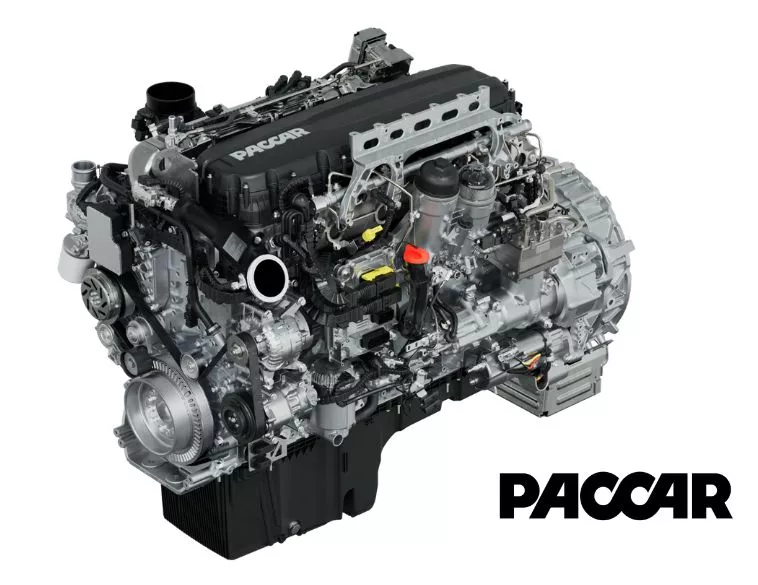
Actively targeting one of the most significant operational disruptions in modern commercial transport, PACCAR has confirmed a major software calibration update for its PACCAR MX-11 and MX-13 engine platforms.
Implemented across Kenworth Truck Company and Peterbilt Motors Company lines, the updates realign vehicle inducement strategies with revised U.S. Environmental Protection Agency (EPA) guidance—a regulatory shift that standardizes fleet compliance guidelines across Canadian transport corridors.
DEF inducements represent factory-programmed engine failsafes that automatically throttle vehicle speed and horsepower when emissions system anomalies, low Diesel Exhaust Fluid levels, or faulty Selective Catalytic Reduction (SCR) sensors are flagged. Historically, strict parameters frequently forced operational transport assets into restrictive 5-mph shutdowns, triggering costly regional towing bills and unsafe highway asset positioning.
Mitigating Roadside Stalls for Commercial Fleet Operators
For Canadian fleet specifiers, long-haul safety managers, and heavy-duty diagnostic technicians, the updated software overhaul changes critical operational uptime metrics:
- Increased Derate Ceiling: The absolute final inducement vehicle speed limit has been raised from 5 mph to 25 mph (approx. 40 km/h), enabling drivers to safely self-navigate to local service bays.
- Extended Diagnostics Window: The compliance timeline tracking component faults or sub-par fluid quality ratings has been widened from 4 hours to 160 hours before full speed inducement kicks in.
Increased Derate Ceiling: The absolute final inducement vehicle speed limit has been raised from 5 mph to 25 mph (approx. 40 km/h), enabling drivers to safely self-navigate to local service bays.
Extended Diagnostics Window: The compliance timeline tracking component faults or sub-par fluid quality ratings has been widened from 4 hours to 160 hours before full speed inducement kicks in.
According to PACCAR regional guidelines, all factory builds assembled after July 20, 2026, will standardized this software logic directly from the production line. Concurrently, existing class 8 trucks built after the 2018 model year are officially eligible to receive these backward-compatible flashing updates through local Kenworth and Peterbilt dealer service networks, streamlining preventative maintenance metrics heading into the fall.