

Charging Ahead
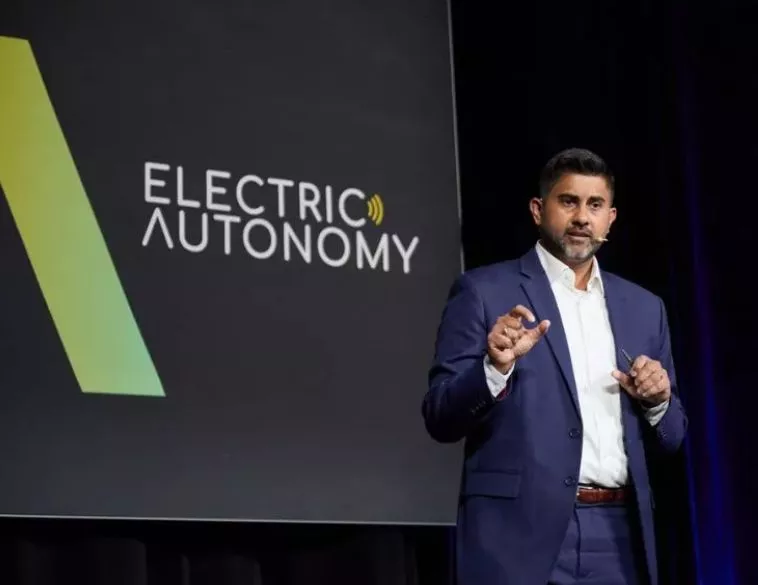

Home, depot, and public charging each offer unique advantages and challenges for fleets transitioning to electric vehicles.
As more fleets move toward electrification, choosing the right charging strategy has become one of the most important and complicated decisions fleet managers face. While most operations will rely on a mix of home, depot, and public charging, each option comes with unique advantages, limitations, and operational challenges that need to be carefully considered before vehicles hit the road.
Speaking at the EV & Charging Expo 2026, which took place in Toronto in April, Aneerudha Borkotoky, Director, Electrification Strategy at Element Fleet Management explained how complex the rollout of a charging solution can be.
“The first step in implementing a home charging solution is less about figuring out charging needs,” said Borkotoky, “and more about figuring out the drivers.” This includes figuring out which drivers have homes that can support home charging, which ones are advocates of the company’s electrification program, and which ones are eager to participate in that program.
Once those details are worked out, he added, and once everyone’s questions about the program are answered, including how each driver will be reimbursed for charging a company vehicle at home, you can then move on to other details.
“Only after we’ve dealt with all of those challenges and questions, can we start looking at hardware vendors, software vendors, installation partners, managing the shipping, logistics, complexity, and budget management,” Borkotoky said.
According to Aneerudha Borkotoky, Director of Electrification Strategy at Element Fleet Management, shifting to an EV model requires looking beyond the hardware: "The first step in implementing a home charging solution is less about figuring out charging needs, and more about figuring out the drivers."
Weighing the pros and cons
Borkotoky explained that each charging solution comes with its own pros and cons. Home charging is convenient and cost-effective, but it requires the installation of a charger, and it raises questions about driver reimbursement.
Public charging is fastest (especially DC fast charging), and it’s easy to implement. However, charging stations may not always be available to use when a driver needs to plug in.
Depot charging may be convenient for drivers, but it’s costly to set up and complex to operate and manage. It may also be difficult or impossible to set up if you’re leasing an office and your lease agreement doesn’t allow it.
Speaking of depot charging, Borkotoky explained the following: “The need to manage availability of power and the cost of that energy is obvious to most fleet professionals. But what may be less obvious is understanding the sequencing and prioritization of vehicles as they come in to charge, and how to manage site access overnight.”
Depot charging, Borkotoky argued, is far more complex than many fleet professionals realize, and that’s why he recommends working with a company that can help you manage all the variables.
Help at each phase
Before deployment, he explained, a company like Element can help with readiness, design, and understanding the economics. At deployment they can help with coordination, commissioning, controls, and management. When the depot goes live, they can help with software, managing uptime, and managing support.
“And then, most importantly, creating the operating rhythm and the culture that allows you to collect the data, measure against goals, and improve constantly,” he added.
The complexity of a depot isn't a hardware or a software problem, he explained. “It is the orchestration problem associated with all of the cross-functional stakeholders with all of the different steps in the process. And it is the management of all of the moving parts that needs to come together.”
For fleets adopting electric vehicles, charging infrastructure is no longer simply a question of plugging in trucks overnight. From driver engagement and reimbursement policies to power management and depot operations, successful electrification requires careful planning and coordination across the entire organization.