
Holman Debunks Seven Common Winter Driving Myths
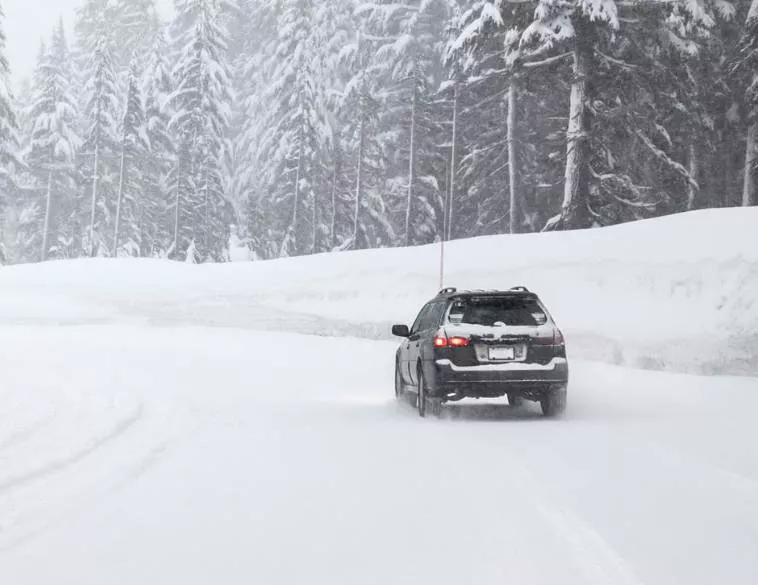
Dangerous misconceptions for navigating harsh winter weather can increase risk for drivers.
According to the Federal Emergency Management Agency (FEMA) in the U.S.A., winter weather contributes to more than 540,000 accidents in the U.S. each year alone. Whether it is snow, ice, or freezing temperatures, the season presents several challenges that can compromise safety, and some common misconceptions for dealing with these conditions can actually increase risk for drivers.
“Safely navigating the challenging conditions that come with harsh winter weather demands additional awareness not only while you’re behind the wheel but also before you even hit the road,” said Holman’s President of Retail Automotive Frank Carbone.
The seven dangerous misconceptions for winter driving include:
- All-wheel drive makes you invincible on snow and ice – While all-wheel drive (AWD) provides better traction during acceleration, it does not improve braking or steering on slick surfaces. Don’t let all-wheel drive give you false confidence. Always slow down and drive carefully on snow and ice.
- Winter tires aren’t necessary if you have all-season tires – All-season tires are versatile enough to handle most conditions, but they do not perform as well as winter tires in severe weather conditions. Winter tires are specifically designed to give you the traction you need on slick, icy roads. If you frequently drive in these conditions, consider investing in winter tires.
- You should underinflate tires for better traction – The myth is that slightly softer tires increase the contact area with the road, theoretically improving traction. However, driving in the snow and ice requires proper inflation to help tires dig into the snow and grip icy surfaces.
- Road salt and sand eliminates all risk – Salt and sand help to melt ice and snow while also improving traction but in extreme conditions, they can lose effectiveness quickly. Always drive cautiously even when roads appear clear; you never know where snow or ice may be lurking.
- Cruise control is safe in winter conditions – Winter roads demand a hands-on approach to driving, and using cruise control can significantly increase the risk of losing control. By manually controlling your speed on slick roads, you can quickly adjust to sudden changes in conditions and reduce the risk of skidding.
- Hot water can quickly defrost your windshield – While pouring hot water on your frozen windshield may seem like a quick fix when you’re in a rush, the extreme temperature change can cause it to crack. Instead, always use an ice scraper or your car’s defroster.
- Warm up your car for several minutes before driving – In the past, older engines needed time to adjust to the cold. Today, modern vehicles are designed to warm up quickly, requiring minimal idling before hitting the road.
For additional information and resources on preparing for winter driving hazards, please visit Holman.com.