
Mitsubishi Refines Its Plug-In Fleet Contender
CREDIT : Jack Kazmierski
CREDIT : Jack Kazmierski
CREDIT : Jack Kazmierski
CREDIT : Jack Kazmierski
CREDIT : Jack Kazmierski
CREDIT : Jack Kazmierski
CREDIT : Jack Kazmierski
With more electric range, improved ride comfort and a quieter cabin, the refreshed 2026 Outlander PHEV makes an even stronger case for fleet consideration.
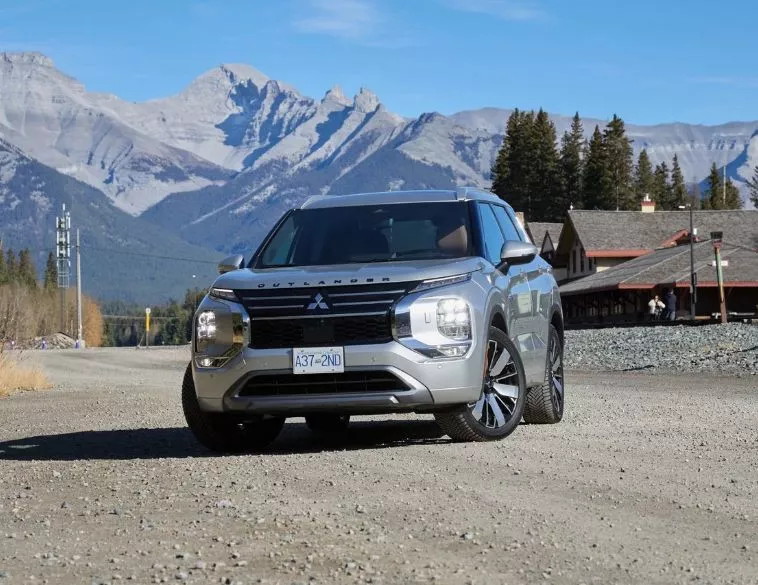
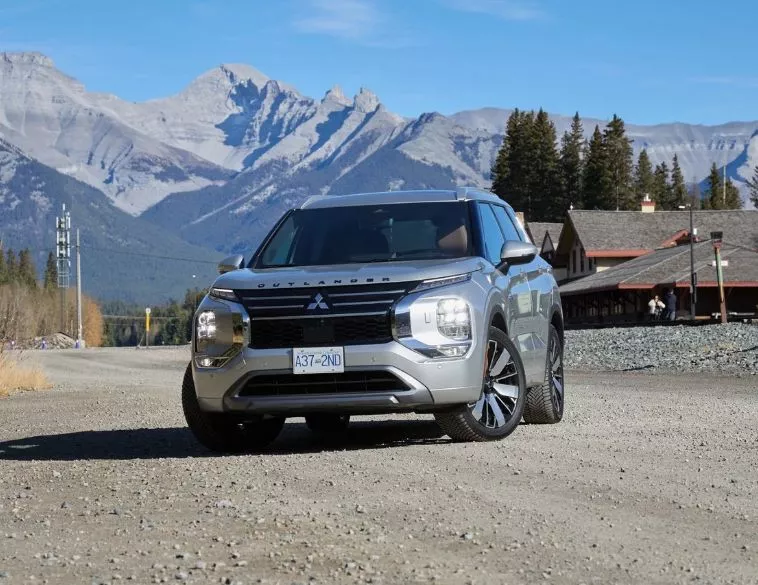
Banff, Alta. – Navigating the winding mountain roads of the Canadian Rockies is a good way to discover what a vehicle is made of. Steep climbs, sweeping corners and changing road conditions put demands on both the powertrain and chassis, while long stretches behind the wheel reveal just how comfortable and refined a vehicle really is.
It's also an opportunity to appreciate the advantages of electrification, particularly when a vehicle can deliver impressive efficiency without compromising performance.
That was our experience behind the wheel of the 2026 Mitsubishi Outlander PHEV, which boasts a series of improvements as part of a mid-cycle refresh.
Already Canada's best-selling plug-in hybrid vehicle, the Outlander PHEV builds on its established strengths with increased electric driving range, a more refined driving experience and a number of worthwhile interior and exterior enhancements.
More electric range, greater flexibility
Perhaps the most significant change for 2026 is the introduction of a larger 22.7-kWh lithium-ion battery. It increases the vehicle's all-electric driving range to 72 km, an improvement of 18% over the previous model.
For fleets operating primarily in urban and suburban environments, that additional range could make a meaningful difference. Many daily business trips fall within that distance, potentially allowing drivers to complete their regular assignments using electric power alone, provided the vehicle is charged when needed.
When longer distances are involved, the gasoline engine provides the reassurance of conventional refuelling, eliminating the need to plan trips around charging infrastructure. Mitsubishi lists the Outlander PHEV's total combined driving range at 690 km.
The manufacturer also reports combined fuel consumption of 3.2 Le/100 km, with gasoline-only consumption rated at 8.6 L/100 km in both city, highway and combined driving (according to NRCan).
Confident performance
The larger battery brings another benefit beyond increased range: additional electric power, contributing to quicker acceleration and improved overall performance.
That was certainly apparent during our drive through the Rockies. The Outlander PHEV had no difficulty dealing with the mountainous terrain, delivering plenty of power and torque when climbing steep grades.
Acceleration was smooth and responsive, and the combination of electric motors and gasoline power provided reassuring performance when it was needed.
The transition between electric and gasoline operation was unobtrusive, contributing to an overall driving experience that felt remarkably refined.
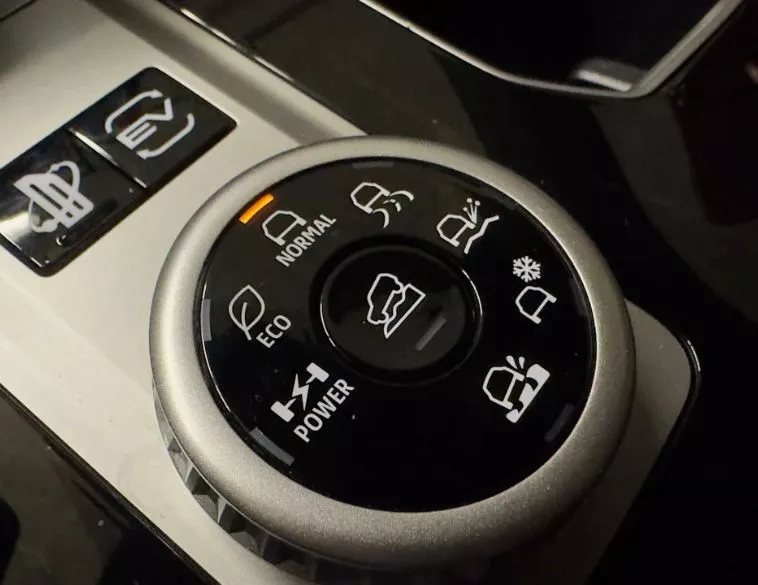
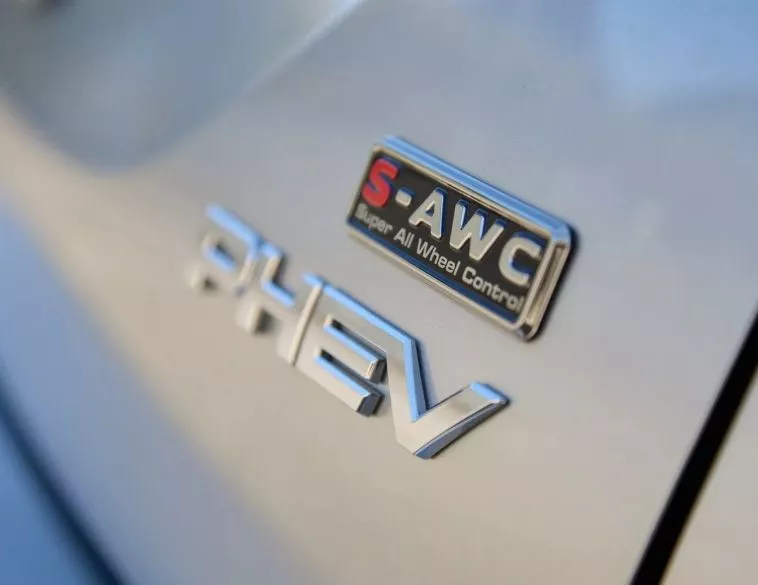
Mitsubishi's Super All-Wheel Control (S-AWC) system is standard across all seven trim levels. It's an important feature for Canadian fleets, particularly those operating in regions where winter weather, snow-covered roads and changing traction conditions are part of everyday business.
The Outlander also benefits from revised suspension tuning, updated tires and steering improvements for 2026. These changes are intended to improve ride comfort and handling, and the results are noticeable.
Steering is light and effortless, making the vehicle easy to manoeuvre in parking lots and urban environments, while providing a reassuring sense of control on winding roads. The ride is quiet and composed, with additional sound deadening and vibration improvements helping to make the cabin an especially pleasant place to spend time.
A more comfortable working environment
The Outlander's interior was already one of its appealing attributes, and Mitsubishi has made several changes to improve the experience.
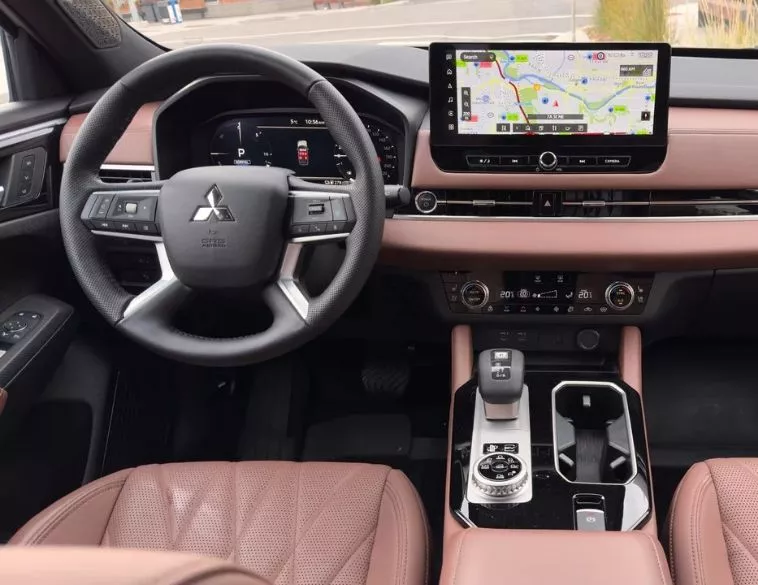
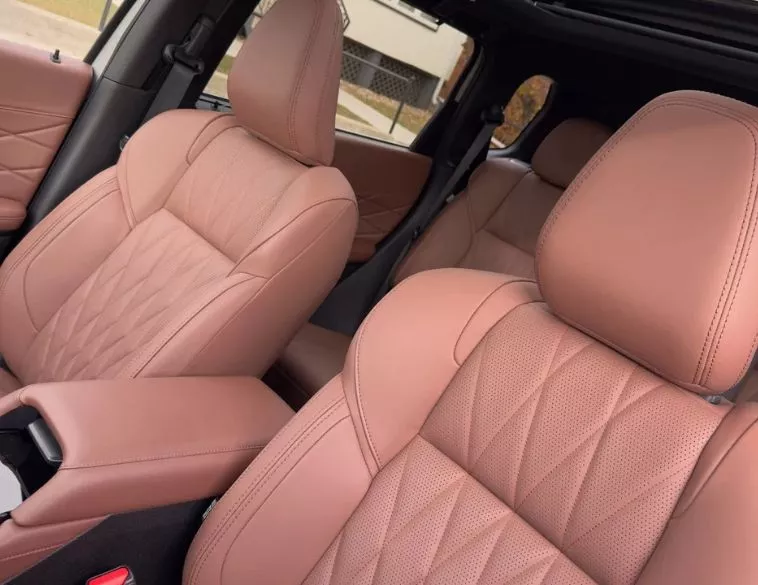
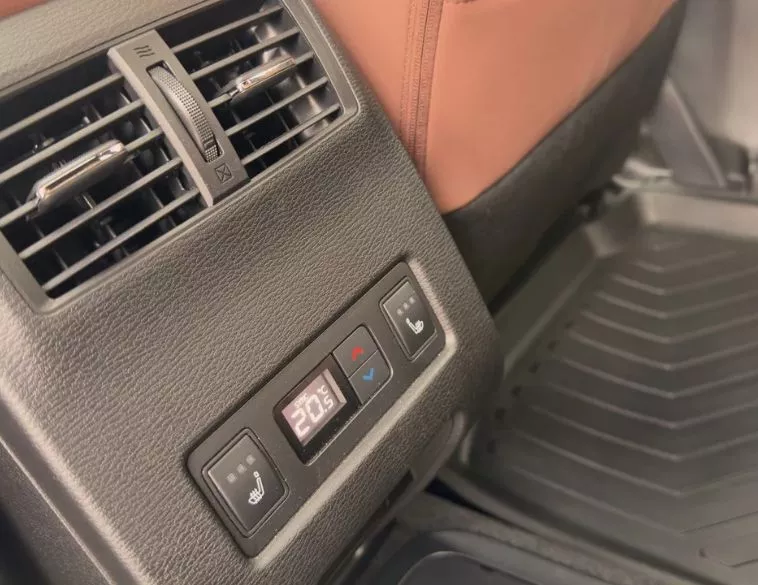
The three-row cabin is roomy and comfortable, with a well-appointed appearance and quality materials. The revised centre console provides a cleaner layout, while new seat materials and colour options give the interior a refreshed look.
The addition of Dynamic Sound Yamaha audio systems across all trims is another welcome upgrade. Infotainment is handled through a new 12.3-inch display, accompanied by updated graphics for the digital driver information display.
For employees who spend considerable time travelling between appointments, customer locations and job sites, a comfortable and well-equipped cabin can make a difference to the overall ownership experience.
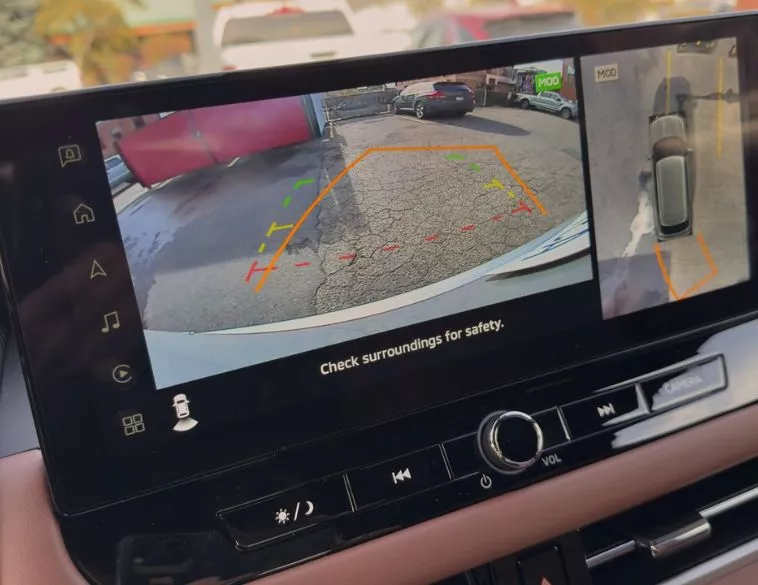
Visibility is another strong point. The 360-degree camera system (standard on LE trims and up) provides an excellent view of the vehicle's surroundings, making parking and manoeuvring in tighter spaces considerably easier. It's particularly useful in busy commercial environments where drivers may regularly encounter confined parking areas, loading zones and other vehicles.
The Outlander also comes equipped with a comprehensive collection of advanced driver assistance and safety technologies. Combined with its all-wheel-drive capability, these features make it a well-rounded choice for fleets looking to provide drivers with additional confidence and protection.
A practical fleet proposition
The 2026 Outlander PHEV is available in seven trim levels, beginning with the ES S-AWC at $49,998. Importantly for Canadian buyers, this entry-level version qualifies for the $2,500 federal Electric Vehicle Affordability Program rebate, subject to program eligibility requirements.
Mitsubishi also offers a particularly attractive warranty package. This includes 10 years or 160,000 km of powertrain coverage, an equivalent 10-year/160,000-km lithium-ion battery warranty, five years or 100,000 km of new-vehicle coverage, and five years of unlimited-kilometre roadside assistance.
For fleet managers evaluating total cost of ownership, the warranty coverage provides additional reassurance when considering a vehicle with both gasoline and electric powertrain components.
Of course, the business case for a PHEV will depend on how the vehicle is deployed. Fleets that can establish consistent charging routines and match the vehicle's electric range to daily driving requirements stand to benefit most.
The Outlander PHEV offers a useful middle ground for organizations that want to reduce gasoline consumption without moving entirely to battery-electric vehicles.
Our time behind the wheel in the Canadian Rockies reinforced its appeal. The Outlander proved comfortable, quiet and capable, with more than enough performance to handle demanding terrain. Its improved electric range, refined driving dynamics and well-equipped interior make the refreshed model a worthwhile consideration for fleets looking to introduce electrification without sacrificing versatility.