

Ontario Harmonizes Highway Speed Limits to 110 KM/H Across Core Corridors
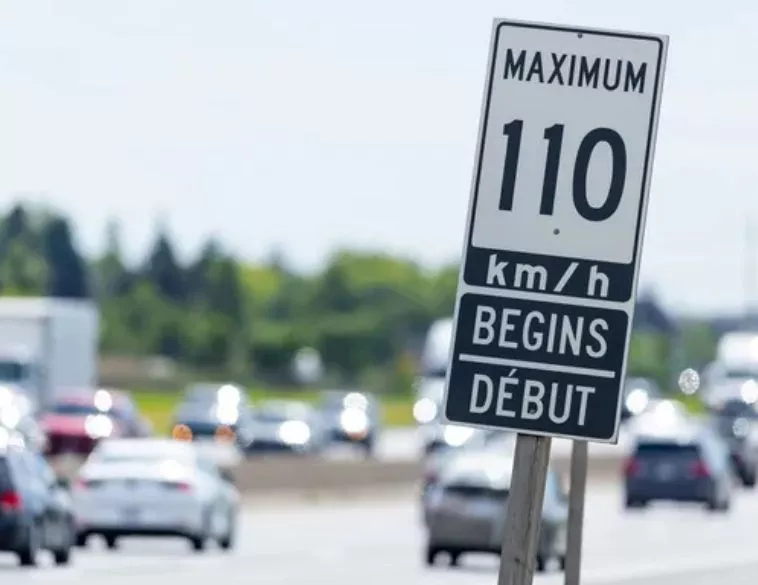
The Ontario Ministry of Transportation has confirmed a massive expansion of its regional transit policy, raising the posted speed limit from 100 km/h to 110 km/h across an additional 938 kilometers of provincial freeways.
Activating incrementally from June 26 through September 30, 2026, the legislative transition will effectively scale the province's 110 km/h highway infrastructure to cover nearly 89 per cent of the total network, up from the current 43 per cent baseline.
The targeted speed limit revisions will systematically apply to certified segments of the Queen Elizabeth Way (QEW) alongside Highways 400, 401, 402, 403, 416, and 417. Operational data models published by the province indicate the upgraded speed profiles will compress average commercial transit run-times by approximately 20 minutes between Sarnia and Toronto, and by nearly 30 minutes on long-haul freight lanes connecting Toronto and Ottawa.
Engineering Compliance and Asset Modernization
The provincial administration verified that speed alterations are restricted to heavy-freight and passenger corridors engineered to support elevated velocities, following exhaustive engineering reviews and structural infrastructure updates. Moving forward, all next-generation highway projects currently funded under Ontario’s $31-billion capital transportation infrastructure portfolio, including Highways 413, 69, 7 (Kitchener to Guelph), and the Bradford Bypass (Highway 425), will feature a native design specification rated for a 110 km/h posted limit from initial commissioning.
“Under the leadership of Premier Ford, our government is helping get drivers where they’re going faster and safely,” stated Prabmeet Sarkaria, Minister of Transportation. “We’re going to keep supporting commuters, workers and businesses by investing in our $31 billion plan to build and expand roads and highways, so we can get people and goods moving across Ontario.”
Structural Implications for Commercial Fleet Management
For high-volume fleet administrators, freight carriers, and commercial supply chain operators, this regulatory shift alters driving parameters on North America's most critical industrial trade lane. Highway 401 standardly sustains over $380 million worth of commercial goods movement daily. While the transition harmonizes Ontario's commercial corridors with surrounding North American jurisdictions, fleet procurement directors and maintenance managers will need to evaluate onboard speed governor calibrations and telematics configurations to balance compressed turnaround windows against localized fuel-burn metrics and safety compliance profiles.