
Subaru to Adopt North American Charging Standard (NACS) for Its BEVs in North America
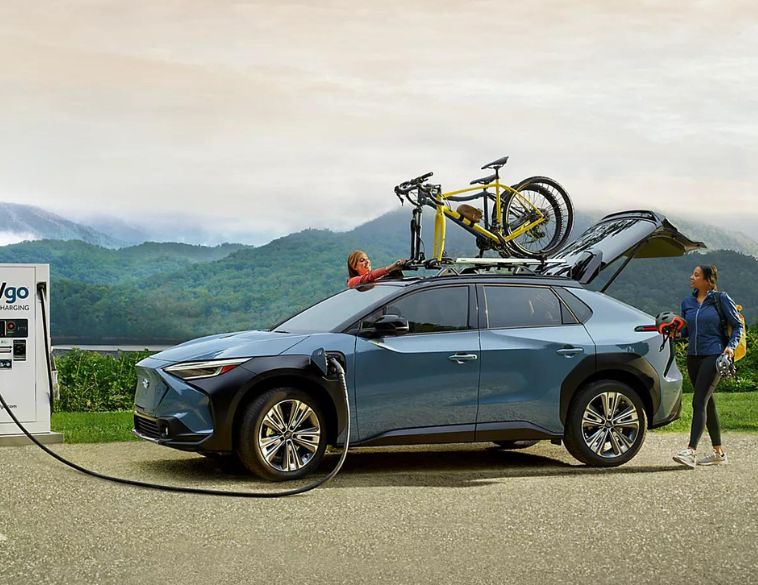
Subaru Corporation announced that it has reached an agreement with Tesla, Inc. to adopt the North American Charging Standard (NACS) for the charging ports of its battery electric vehicles (BEVs) to be launched in North America beginning in 2025.
To provide customers with access to an extensive charging network, the Company will adopt NACS ports on certain Subaru BEVs to be launched in North America beginning in 2025 and will continue to advance NACS adoption for its subsequent BEVs to be launched thereafter.
Additionally, the Company plans to provide access to an adapter that will enable NACS charging from 2025 for customers owning or leasing applicable Subaru BEVs equipped with the Combined Charging System (CCS). Customers of NACS-compatible Subaru BEVs will gain access to more than 15,000 Tesla Superchargers across North America, significantly enhancing charging convenience.
Under the new management structure established in June 2023, Subaru has announced a goal of “aiming for 50 percent of total global sales to be BEVs in 2030” in order to contribute to the achievement of carbon neutrality.