
How Can I Maximize the Range of My Electric Vehicle Fleet During Winter?

Numerous uncertainties often accompany the shift towards electric vehicles.
One of the most common is the impact of winter on the range of electric vehicles (EVs), or more simply, the distance that can be driven on a single charge during colder periods. Here's some insight to help you better navigate the situation.
What causes range variation during winter?
Variations in EV range are primarily caused by battery performance, which is heavily influenced by temperature. Lithium batteries operate optimally between 15 and 35 degrees Celsius.
Good to know: The cold affects battery performance and operation. That's why battery and vehicle manufacturers carefully integrated all necessary battery protection mechanisms into their systems. For example, if a battery is too cold, heating elements can keep it at the right temperature.
[caption id="attachment_399648" align="alignnone" width="758"]
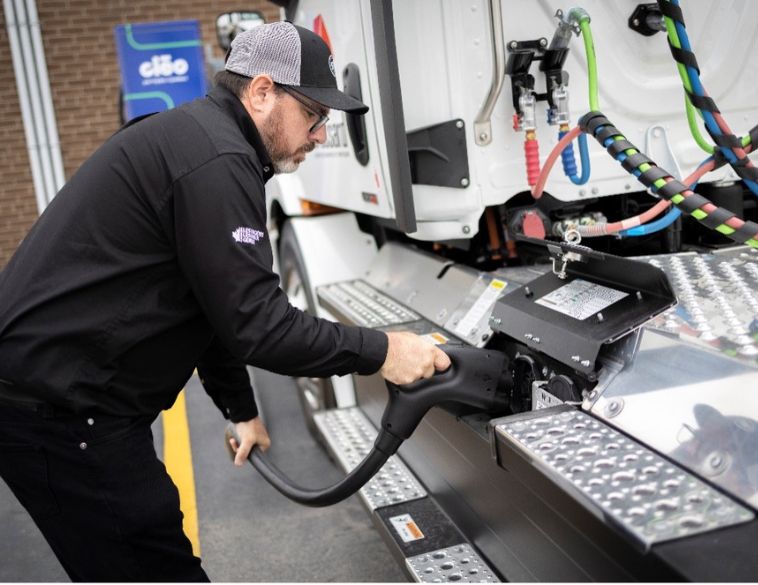 Winter will have a significant impact on the range of your electric vehicles. Photo Pierre-Luc Bernier (PLB Photo)[/caption]
How can I prepare for winter?
It's important to factor in a manoeuvrability margin of about 30% to 50% during winter. An EV with an average range of 400 kilometres (248 miles) might have a range of 240 kilometres (150 miles) in frigid weather. Take this range reduction into account when calculating your daily routes.
Encourage eco-driving
Remember that external factors such as road characteristics and driving habits can significantly affect the autonomy of your batteries in colder conditions. It's always better to have a calmer driving style, avoid sudden acceleration, and reduce speed.
Here are some other things to keep in mind:
- Ensure tires are properly inflated.
- Turn down the main cabin heater in favour of the heated steering wheel and seats.
- Avoid overloading your vehicle with excess weight.
What about regenerative braking?
Electric vehicles are designed to return energy to the battery through regenerative braking. This process adds valuable extra miles or kilometres of range.
Opt for indoor parking
Simply put, the more the temperature drops, the colder the batteries get. This increases the batteries' electrical resistance, resulting in longer charging time.
Plug in your electric vehicles whenever you stop
If you only have access to outdoor parking in the winter, it's a good idea to plug your EVs in as soon as they're returned to your facilities and while the battery is still warm. Just leave them plugged in until you're ready to use them.
Other important tips:
- Don't let snow pile up around your equipment. It must be accessible for safety and maintenance.
- Avoid leaving your charging cables on the ground. If they become trapped in ice, attempting to free them could cause damage.
- Protect the ports of your charging connectors to prevent snow and ice from accumulating and making them difficult to handle.
Do you have any questions? Cleo is here for you!
Technologies continue to improve each year, thus reducing the impact of winter on electric vehicles. Talk to our team of electrification specialists and get through the winter with peace of mind.