
Collaboration at the Heart of Energir's Fleet Electrification Success


Fleet electrification is no longer just an environmental goal but a necessary step for companies looking to contribute to Quebec's energy transition.
This initiative is more of a marathon than a sprint, according to Simon Roberge, Executive Director of Buildings, Security, Fleet, and Distribution Center at Energir. "I oversee everything related to vehicle acquisition, outfitting, and maintenance." He also works to address challenges encountered throughout their lifecycle.
Roberge and his team are the masterminds behind this transformation that began about ten years ago. "We've been looking at alternative energy sources for our vehicle fleet for a long time. Initially, we had natural gas vehicles." A few electric models were then introduced "to learn about the product" before electrification shifted into high gear just three years ago.
As Quebec's primary natural gas distributor, Energir "had to lead by example" given its key role in the province's energy transition. This shift is therefore a logical continuation of actions aimed at decarbonizing its operations by reducing greenhouse gas emissions to meet its ambitious targets.
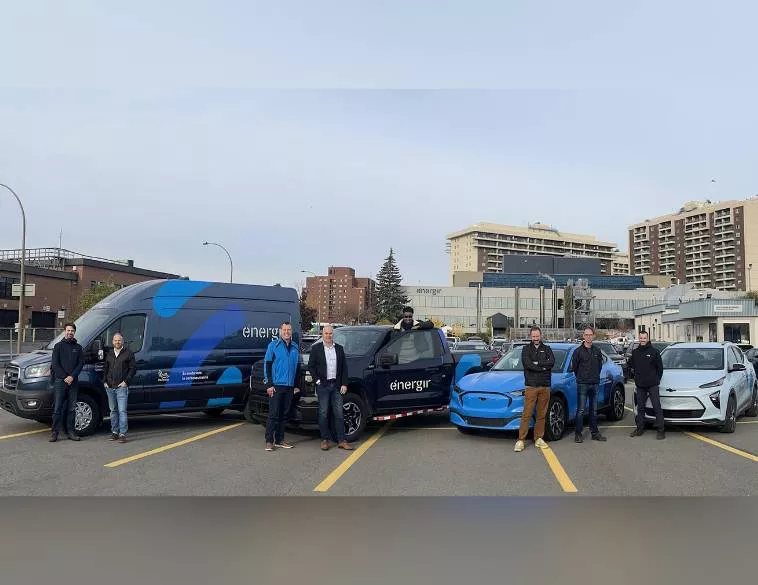

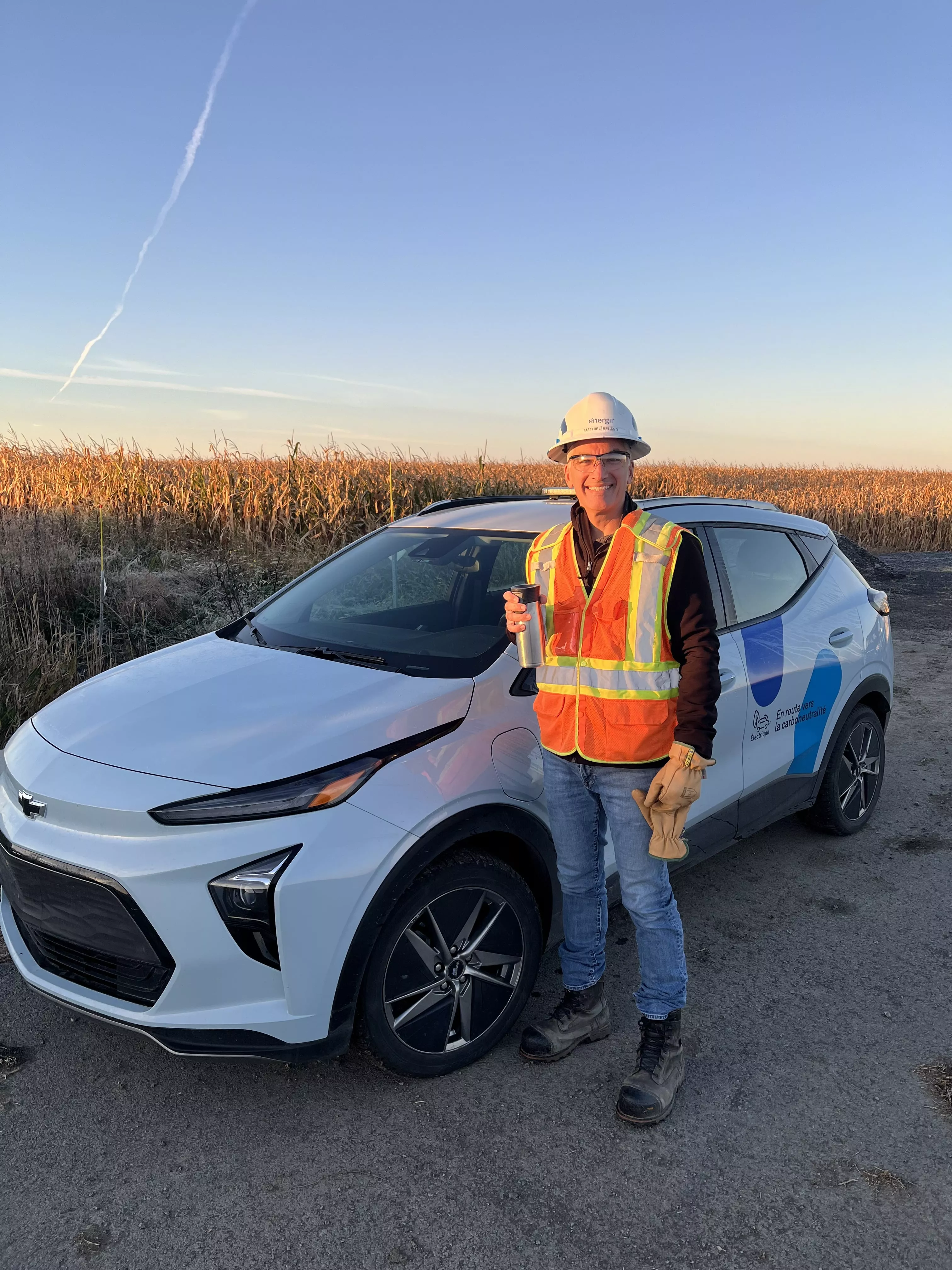
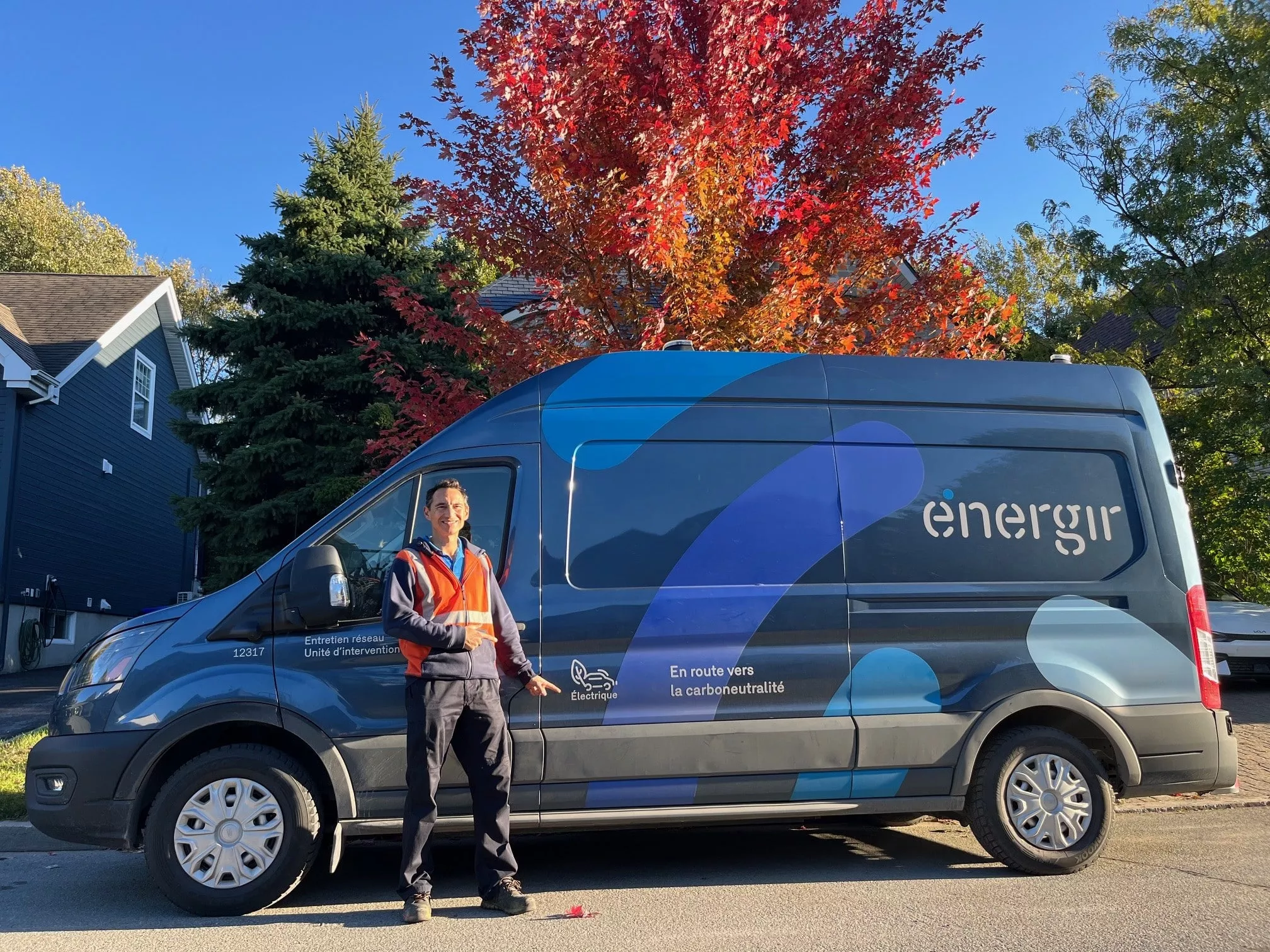
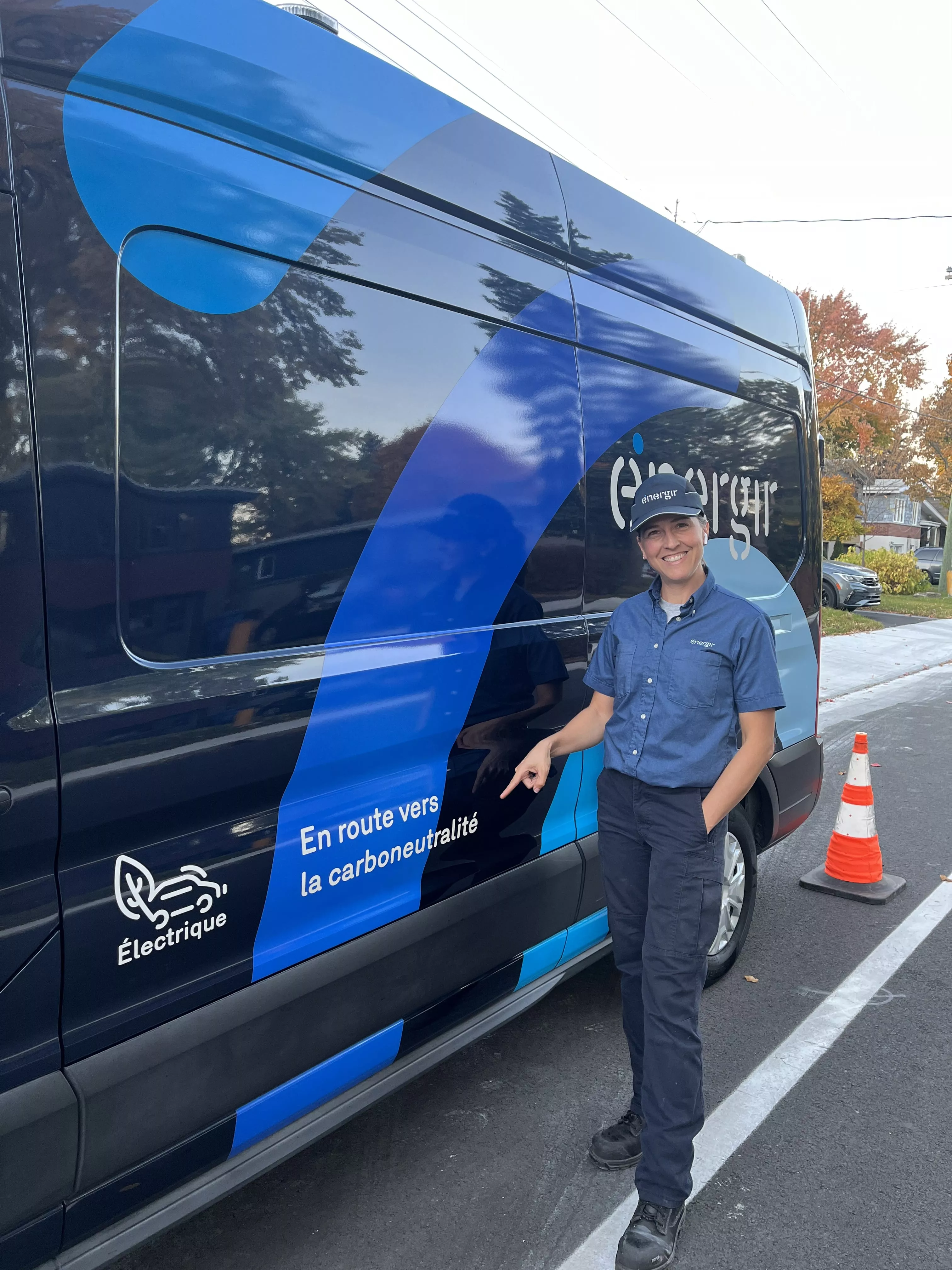
"We currently have about 125 electric vehicles (EVs), representing just over 20% of our fleet. By 2030, we aim to electrify 100% of our light-duty vehicles." This segment represents nearly 500 automobiles, SUVs, pickup trucks, and vans, including 80 Ford E-Transit vans. "With each purchase, we consider whether the model is available in an electric version or runs on renewable natural gas (RNG). If not, we opt for gasoline or diesel." Selected vehicles must also "meet our technical requirements while remaining competitive," explains Roberge.
A Heterogeneous Fleet
Although Roberge highlights the advantages of having multiple vehicles of the same make – "it facilitates maintenance and mechanic training" – he remains open to solutions offered by other manufacturers. Energir's heterogeneous fleet includes heavy-duty trucks, trailers, all-terrain vehicles (ATVs), and machinery, adding complexity to logistics. "Each vehicle is outfitted according to our needs. Many are service trucks, essentially mobile tool shops with added equipment, which aren't yet widely electrifiable." Medium-duty pickup trucks, as well as vehicles intended for towing and remote areas, present technical and range challenges.
Supported by more than 80 employees, Roberge oversees a fleet of approximately 700 units. His team of specialist engineers analyzes each acquisition. "We evaluate charging speed, range, onboard technologies, and safety – a very important aspect for us. Some manufacturers also lend us vehicles for testing. This allows us to make comparisons, particularly regarding available space. Because even our smaller vehicles require certain interior modifications." These analyses ensure adapted solutions and a smooth transition.
Despite a firm commitment to progress, obstacles persist. The reduction in subsidies could slow down Energir's project. "Over their lifetime, EVs remain profitable, but reaching the break-even point for heavy-duty trucks may take longer." Their electrification will likely extend beyond the initial 2045-2050 target. Employees must also adapt. Switching from a gasoline model to an electron-powered one doesn't happen overnight. "Since the technology is still new, we ensure continuous driver support and collect their feedback to improve our practices." This learning phase is crucial for encouraging adoption and ensuring overall fleet performance in daily operations.
Telematics Supporting Electrification
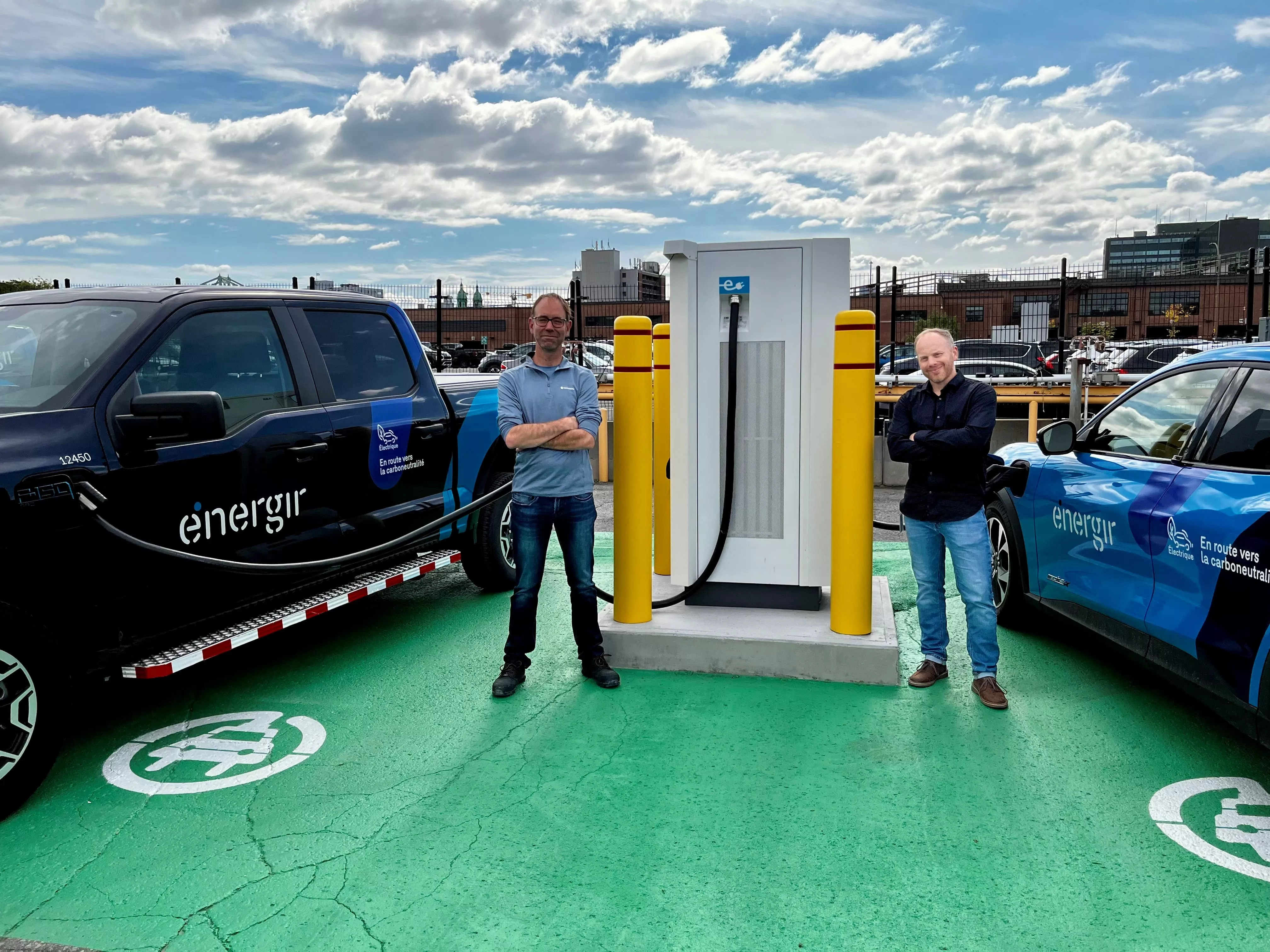
Energir facilitates the transition for its employees by installing home charging stations and covering refueling costs through a telemetry tool, creating a win-win situation: vehicles start the day at maximum capacity, and users are reimbursed weekly for consumed electricity. The company also leverages telematics to maximize fleet efficiency. "We use Geotab to track daily charging sessions, average range, and battery preconditioning." This data, along with information from certain manufacturers' software like Ford, is analyzed daily. It helps optimize operations and provides valuable insights that are incorporated into training programs.
The interior outfitting of EVs also complicates matters. "With battery positioning, bolting a structure to the floor is sometimes impossible. We work with external upfitters and component suppliers who, like us, are learning much from this experience." Success relies on synergy between internal teams and various contractors.
Despite some challenges, the results are encouraging. The transition has led to substantial savings in maintenance and fuel costs, while proving profitable in the long term. This shift is also a unifying participatory project for Energir, its partners, and the business community. "Even though each company faces different realities, the challenges are similar. We share best practices to find the best solutions together." This knowledge sharing extends to manufacturers: "Our technical services learn a lot from them, and vice versa."
The next steps involve continuing purchases, consolidating gains, and monitoring new technologies. For companies looking to make the electric transition, Roberge recommends not waiting: "Just get started, begin at your own pace then continue gradually but consistently. Make sure to quickly involve employees in the project so they follow your learning curve. Don't hesitate to talk with your peers, share experiences, and stay informed. In short, just take action after ensuring you have the necessary support both internally and externally."
By demonstrating that the energy transition of a commercial fleet is not only possible but beneficial, Energir is paving the way for other organizations. For Roberge, project success relies on collaboration. "If it takes a village to raise a child," the same applies to electrifying a vehicle fleet.