
International® S13® Integrated Powertrain Approved for Use With Renewable Diesel

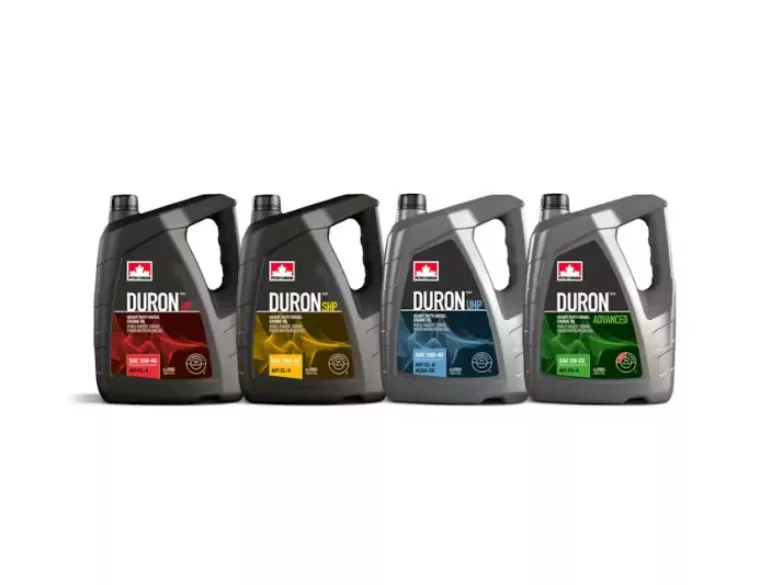
Commonly referred to as R100/R99 or hydrotreated vegetable oil (HVO), the use of renewable diesel can support customers as they continue to take steps toward their zero-emissions goals.
"Given the industry's ambitious sustainability targets, International aims to provide customers with various options to support their unique carbon reduction goals," stated Chet Ciesielski, Vice President, National Fleets and Truck Equipment Manufacturers. "Our mission at International is to accelerate the impact of sustainable mobility. However, there isn't a one-size-fits-all solution for every customer, so it is crucial that we offer incremental options to help them achieve their individual objectives."
Due to its similar chemical structure, renewable diesel is a sustainable fuel that can directly replace traditional petroleum diesel. Made from recycled vegetable oils, tallow, or used cooking oil, it marks a significant advancement in eco-friendly fuel technology.
Renewable Diesel
Renewable diesel is produced through a hydrotreating process, where fats, oils, and agricultural waste are reacted under high pressure and temperature in the presence of a hydrogen catalyst. This process results in a cleaner-burning fuel that works seamlessly in existing S13 diesel engines while significantly reducing carbon emissions.
Unlike biodiesel, R100 is a paraffinic fuel that does not have any oxygen compounds in it. This allows the fuel to have better cold flow properties than biodiesel. In addition, its high Cetane number allows for a cleaner burn, making it a high-quality, low-carbon alternative to conventional diesel.
"Renewable diesel fuel meets the ASTM D975 Diesel Fuel Specification or the EN 15940 Paraffinic Diesel Fuel Specification, has better storage capabilities than biodiesel, and contains less sulfur and ash than petroleum-based diesel fuel which contribute to its lower tailpipe emissions and can be used by fleets as a tool to reach their sustainability goals," added Michael Noonan, vice president of Engineering, International.
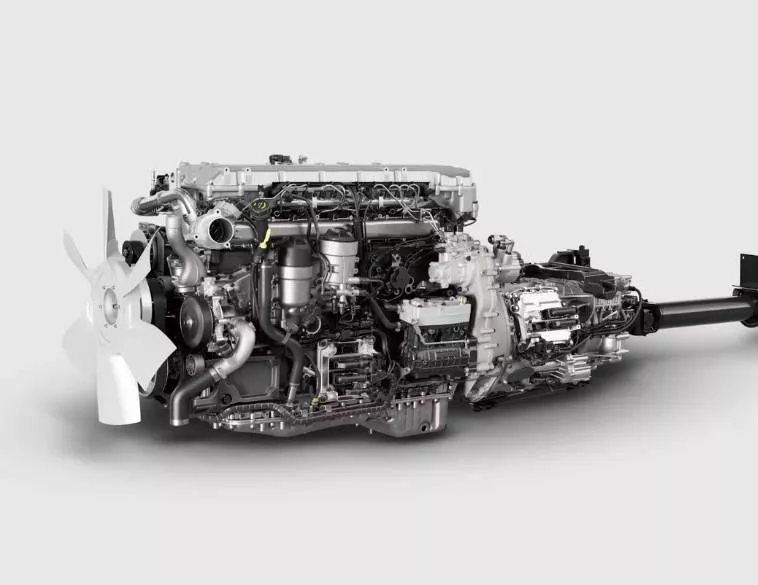
The International S13 Integrated Powertrain, available in the International LT®, RH™, HX®, and HV™ Series trucks, represents our most advanced, fuel-efficient, and streamlined powertrain. With capabilities of up to 515 hp and 1,850 lb-ft of torque, the S13 Integrated Powertrain includes an engine, T14-transmission, and aftertreatment system that are designed to work together seamlessly. This integration sets a new standard for efficiency, profitability, and sustainability for International customers.
To learn more about the International S13 Integrated Powertrain visit www.international.com/products/trucks/features/engines-and-powertrains/s13-integrated.