

Charging Infrastructure for Electric Fleets: It Pays to Plan Ahead!

The journey toward electrification should always begin with a thorough needs assessment.
Fleet electrification isn't just about choosing the right vehicles for your operation; it's also about developing a smart charging infrastructure strategy. Let's explore the importance of anticipating your charging needs—even before ordering your vehicles—and how you can benefit from a proactive, long-term approach.
Determine your needs
Selecting and commissioning an effective, resilient, and suitably sized charging infrastructure requires meticulous planning, a complex process that shouldn't be underestimated.
Here are some key points to consider during the design phase:
- How many and what type of electric vehicles will make up my fleet?
- How will my electric vehicles be used (mileage, schedule, available charging time, load weight, etc.)?
- Where should I install my charging stations to ensure smooth traffic flow and facilitate their connection to the grid or building?
- Does my site possess enough power capacity to sustain the charging infrastructure?
- Do I need to anticipate electrical upgrades or the addition of a power unit?
- Which charging stations are best suited to my fleet and operational requirements?
- How much cable length will I need for my charging connectors?
- Should I purchase or lease the infrastructure?
- What is my electrification budget?
- Is my project eligible for grant programs?
- What contingency plans should I have in place in case of a breakdown, service interruption, or power outage?
- Who will provide preventive and corrective maintenance for my infrastructure?
Pay attention to deadlines
It's important to plan ahead to ensure that your infrastructure is up and running when your electric vehicles start rolling in—and that your team is properly trained to operate it.
The planning phase can span three to six months. Grid connection typically requires at least six months and can take up to 18 months, depending on the necessary capacity. Procuring charging stations and electrical distribution equipment such as transformers, circuit breakers, and disconnectors can exceed six months, based on the model and available inventory. Lastly, securing municipal work permits can also be a lengthy process, so don't forget to include this in your timeline.
[caption id="attachment_406876" align="alignnone" width="758"]
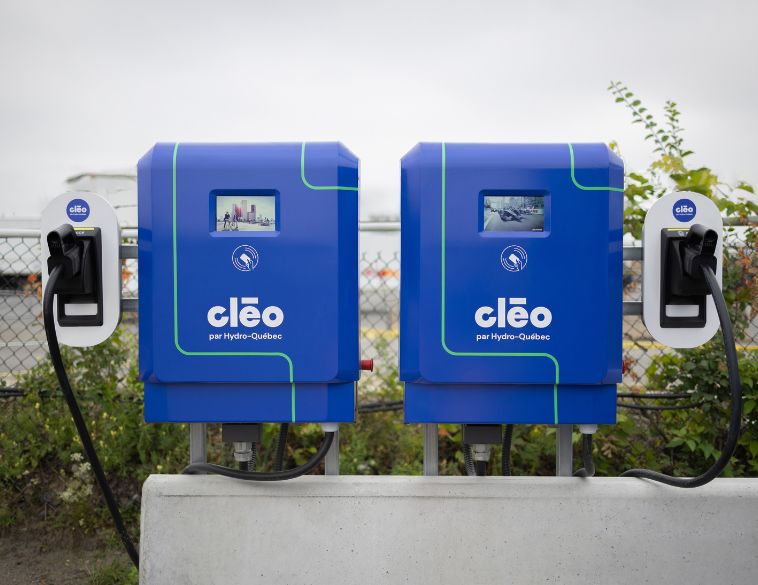 Selecting the appropriate infrastructure is just as important as choosing the right electric vehicles, if not more so. Pierre-Luc Bernier (PLB Photo)[/caption]
Plan for the future
It's always best to design your site to meet future needs before embarking on a major infrastructure project. Opt for an electrical capacity that matches the evolution of your fleet and devise a five-year plan when designing your installations.
You'll soon realize that long-term planning will influence your decisions. You might choose to bury cables to accommodate future charging stations or select infrastructure that can be moved. By doing as much work as possible at once, you avoid having to start from scratch down the line.
Looking for experts to help you plan, design, install and commission your charging infrastructure? Cleo's turnkey charging service is the perfect solution! Talk to our team to kickstart your energy transition.