
Mercedes-Benz eSprinter 2025: An interesting Choice
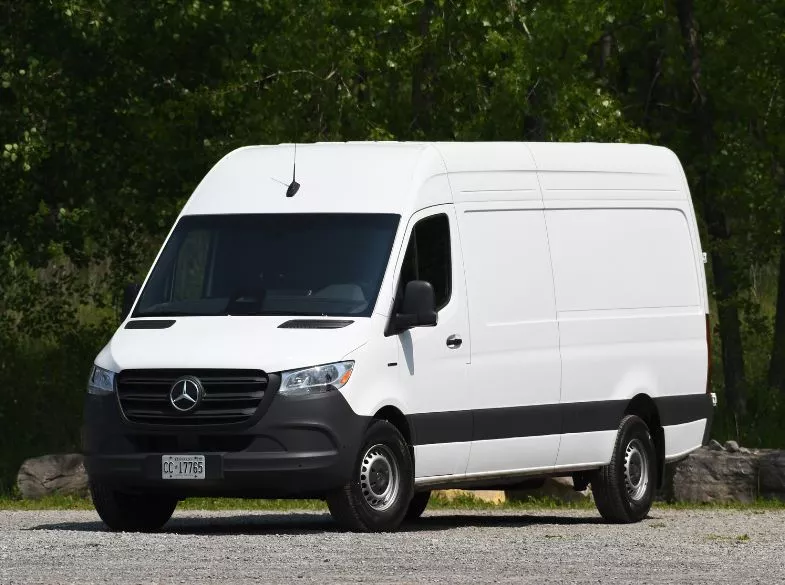
The 2025 Mercedes-Benz eSprinter can be a smart solution, especially for short-distance deliveries. | CREDIT: Daniel Rufiange
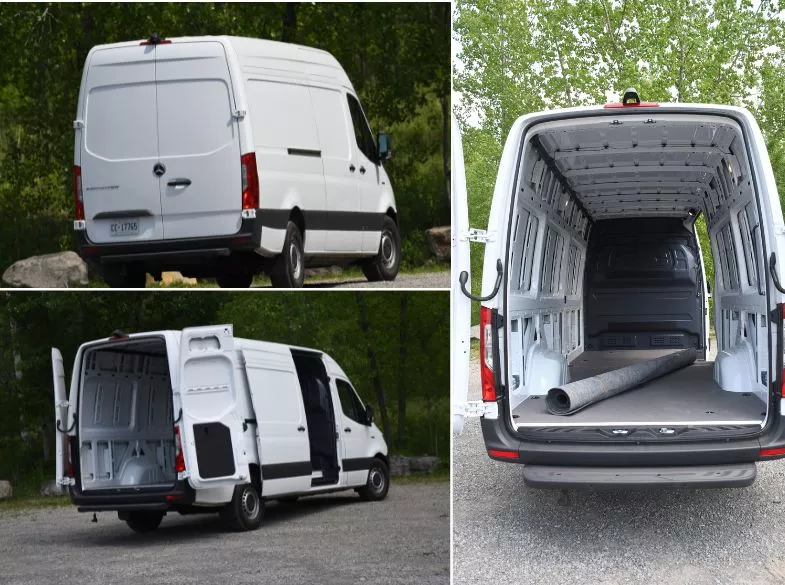
The 2025 Mercedes-Benz eSprinter can be a smart solution, especially for short-distance deliveries. | CREDIT: Daniel Rufiange
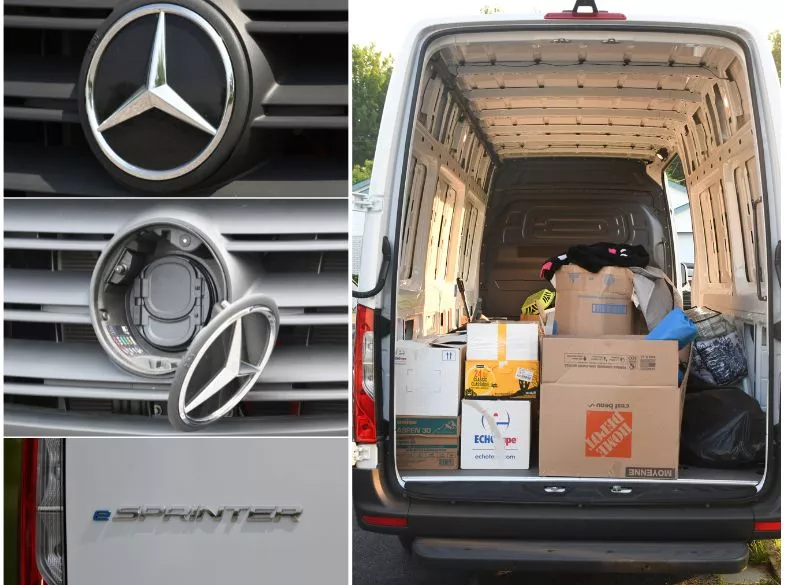
The 2025 Mercedes-Benz eSprinter can be a smart solution, especially for short-distance deliveries. | CREDIT: Daniel Rufiange
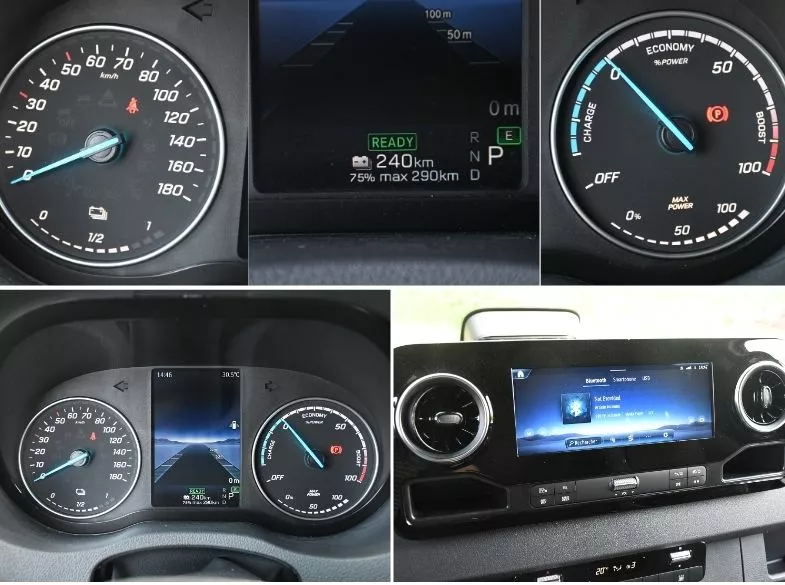
The 2025 Mercedes-Benz eSprinter can be a smart solution, especially for short-distance deliveries. | CREDIT: Daniel Rufiange

When you own a business and operate several vehicles to meet your needs, operating costs quickly become a major concern. That’s where a vehicle like the Mercedes-Benz eSprinter can prove to be a real asset.
Say goodbye to fuel expenses. Yes, it’s more expensive to purchase, but over time, the savings will come knocking. However, its capabilities are slightly more limited, which means it might not be suitable for everyone. Let’s take a look at what it has to offer.
Versions
There are three available body styles: the short wheelbase version (144 inches) with either a standard or high roof, or the extended wheelbase version (170 inches) with a high roof. With this last option, cargo volume comes close to 14,000 litres.
The model can be equipped with either of two battery sizes: 81 or 113 kWh. You also have a choice between two electric motors—100 or 150 kW—delivering 134 and 201 horsepower respectively (torque rated at 295 lb-ft). Make sure to check which combinations are available. For example, the short wheelbase version comes standard with the smaller motor, while the more powerful one is reserved for the larger configuration.
In terms of gross capabilities, the eSprinter can tow up to 4,277 pounds. That’s less than the 5,000 to 7,500 pounds offered by the diesel version (depending on whether the towing package is included). Payload capacity ranges from 2,624 to 3,516 pounds in the cargo area, depending on the selected body style. With a front-mounted diesel engine, depending on the version, payload ranges from 3,351 to 6,812 pounds.
Range and Charging
The Mercedes-Benz eSprinter offers reasonable range. On a full charge, it can travel up to 331 km (with the 113 kWh battery), which is sufficient for short-distance deliveries. When carrying a 440-pound load, the impact on range is minimal. It decreases gradually after that.
When charging at a fast-charging station, capacity is 50 kW as standard, or 115 kW with the optional upgrade. With the latter, you can bring the battery from 10% to 80% in 42 minutes (34 minutes with the smaller battery). It’s not ideal, but to get through the rest of the day, you can recharge only what you need. On a Level 2 charger, a full charge from 0% to 100% takes up to 12.5 hours.
Day-to-Day Use
On the road, the eSprinter is easy to use, and above all, quiet—especially in the city. For anyone spending eight hours a day on the job, this is a stress-relieving benefit you shouldn't overlook. The base equipment covers the essentials. A large catalogue of options and accessories is also available—assess your needs carefully, and remember that moderation is often the best approach.
In short, the Mercedes-Benz eSprinter can be a truly interesting option for your business, as long as what it offers meets your expectations.