
Canadian Hydrogen-Diesel Retrofit System Targets Refrigerated Trucking
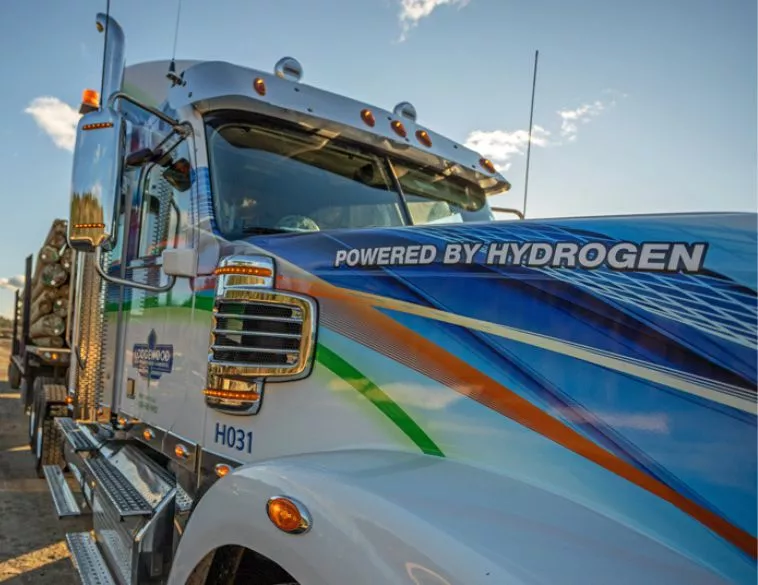
The decarbonization strategy for commercial heavy-duty truck fleets is gaining ground via advanced hydrogen-diesel co-combustion technologies. British Columbia-based pioneer Hydra Energy has successfully expanded the application operating parameters of its proprietary retrofit system into refrigerated trucking operations, delivering a practical dual-fuel conversion solution aimed at reducing diesel overhead and fleet greenhouse gas (GHG) footprints.
Rather than requiring fleet administrators to absorb the premium capital expenditures associated with transitioning to pure battery-electric or fuel-cell vehicles, Hydra Energy’s hardware integrates directly into existing, conventional diesel powertrains. The co-combustion architecture injects hydrogen gas into the air intake manifold, displacing a significant percentage of fossil fuel during the combustion cycle. The automated system continuously optimizes the fuel ratio based on real-time engine load, yielding up to a 40% reduction in diesel consumption and tailpipe carbon emissions while preserving factory horsepower and torque ratings.
Securing Fleet Uptime and Operational Reliability
For heavy-duty fleet operations, the primary value proposition of this dual-fuel configuration centers on structural redundancy. If the commercial vehicle exhausts its hydrogen supply or operates outside a regional hydrogen refueling corridor, the powertrain seamlessly reverts to 100% diesel operation, eliminating range anxiety and preventing delivery disruptions. Recent field testing within the demanding refrigerated transport sector indicates that the dual-fuel system maintains rigid thermal and operational stability, even under sustained secondary loads like powering commercial trailer refrigeration units (TRUs).
This Canadian engineering milestone highlights a growing industry trend toward extracting immediate environmental and economic efficiencies from existing internal combustion assets through smart retrofitting, offering an alternative path while megawatt-level charging networks continue to mature.