
Daimler Truck Partners with KEYOU to Deploy Hydrogen Combustion Engines by 2027
Daimler Truck AG and Munich-based software and engineering specialist KEYOU GmbH have finalized a comprehensive industrial partnership agreement to advance hydrogen-powered internal combustion engines toward full market readiness.
Engineered as a robust, short-term complementary solution to heavy-duty fleet decarbonization, the dual-corporate initiative establishes a third propulsion pillar alongside the automaker's existing battery-electric and fuel-cell vehicle portfolios.
Under the strategic business-to-business (B2B) framework, Daimler Truck will supply its highly standardized, mass-production vehicle chassis and legacy internal combustion engine platforms as the fundamental structural baseline. KEYOU will oversee the comprehensive technological conversion, component integration, and system adaptation required to operate on hydrogen. The technical retrofitting workflows will be executed via certified external conversion facilities, with a coordinated commercial market launch targeted for late 2027.
“The road freight transport sector requires different drive solutions for different applications. Hydrogen can be used to power both fuel cells and internal combustion engines,” stated Andreas Gorbach, Member of the Board of Management of Daimler Truck responsible for Truck Technology. “By working with KEYOU, we are partnering with a specialized company to bring hydrogen combustion technology to market quickly and efficiently.”
Engineering Blueprint: The KEYOU HICE.40 Tractor Unit
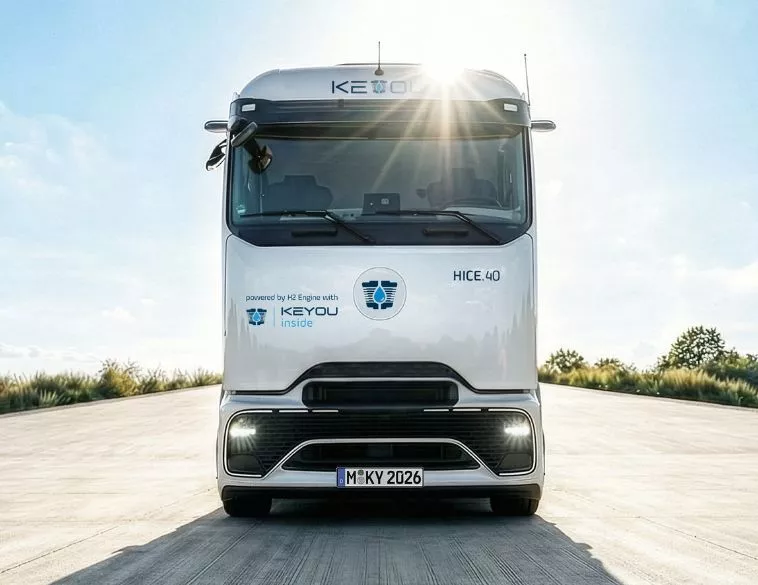
The inaugural commercial platform generated by the industrial alliance is designated as the KEYOU HICE.40. The production spec sheet utilizes the premium Mercedes-Benz Actros L 1848 tractor architecture as its donor chassis, retaining the heavy-duty 12.8-liter diesel engine block manufactured at Daimler’s Mannheim powertrain plant. Once fitted with KEYOU-inside technology, the hydrogen-combustion tractor will deploy the following specifications:
- Gross Vehicle Weight: Safe heavy-freight operating configuration rated up to 40 tons.
- Output Metrics: Power capability rated up to 350 kW, optimized via a specialized Port Fuel Injection (PFI) delivery system.
- Operational Range: Utilizing 350-bar compressed gaseous hydrogen storage technology, the vehicle maintains a continuous hauling range of up to 650 kilometers.
Gross Vehicle Weight: Safe heavy-freight operating configuration rated up to 40 tons.
Output Metrics: Power capability rated up to 350 kW, optimized via a specialized Port Fuel Injection (PFI) delivery system.
Operational Range: Utilizing 350-bar compressed gaseous hydrogen storage technology, the vehicle maintains a continuous hauling range of up to 650 kilometers.
While the initial production run relies on gaseous hydrogen, the long-term product development roadmap anticipates a technical evolution toward liquid hydrogen integration. Liquid cryogenic storage dramatically boosts onboard energy density—a technological discipline Daimler Truck has already demonstrated on its long-haul fuel cell electric vehicle (FCEV) test platforms.
Fleet Integration, Infrastructure, and Lifecycle Support
To lower operational barriers for commercial fleets, the collaboration is deliberately structured to extend beyond a basic technology exchange. Daimler Truck and KEYOU are actively establishing procurement and lifecycle frameworks to leverage the OEM's established franchise dealer networks, diagnostic tools, and service bays to manage ongoing preventive maintenance and warranty workflows.
KEYOU plans to market the converted Class 8 tractors through comprehensive customer packages, potentially bundling vehicle acquisitions with regional hydrogen refueling infrastructure networks backed by public funding programs. Concurrently, Daimler Truck is advocating for the deployment of unified, multi-state refueling stations capable of dispensing both gaseous and liquid hydrogen streams from a single commercial island, mirroring the flexible operating logic of modern diesel and gasoline truck stops.
Strategic Advantages of Hydrogen Internal Combustion Engines (HICE)
The validation of hydrogen combustion by the world's leading commercial truck manufacturer addresses explicit infrastructure constraints and economic realities faced by fleet administrators:
- Mechanical Robustness & Low Complexity: In contrast to highly complex chemical fuel cell stacks—which demand stringent air filtration and complex thermal balancing—modified internal combustion engines are exceptionally resilient, maintaining high operational uptime under extreme payloads and demanding vocational operating environments.
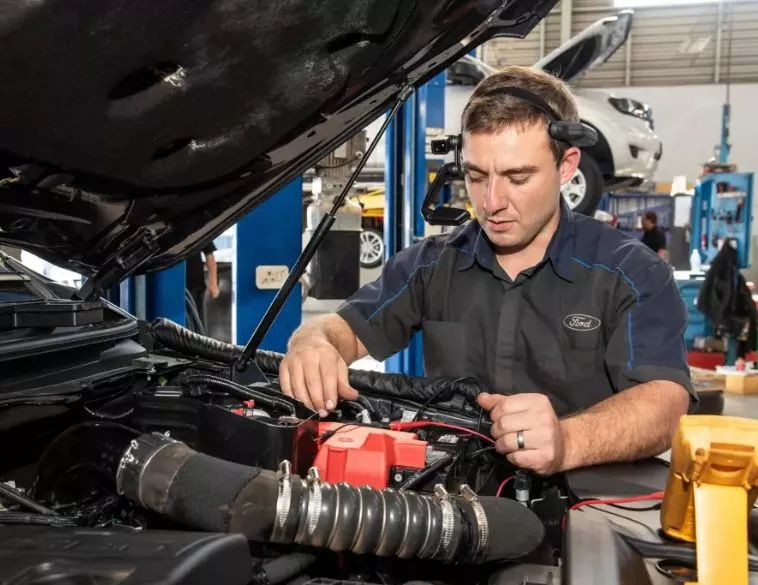
- Asset Utilization & Capital Efficiency: Because the compact HICE layout fits neatly into standard, existing engine compartments, manufacturers and independent repair facilities can utilize existing assembly lines, specialized workshop tooling, and legacy technician training. This drastically lowers manufacturing CAPEX and retail repair costs compared to entirely new vehicle architectures.
- Grid Mitigation: As high-volume fleet electrification strains national high-voltage electrical distribution grids across Europe and North America, deploying a parallel hydrogen distribution network alleviates localized substation bottlenecks, reducing the timeline and capital required for grid expansion.
Mechanical Robustness & Low Complexity: In contrast to highly complex chemical fuel cell stacks—which demand stringent air filtration and complex thermal balancing—modified internal combustion engines are exceptionally resilient, maintaining high operational uptime under extreme payloads and demanding vocational operating environments.
Asset Utilization & Capital Efficiency: Because the compact HICE layout fits neatly into standard, existing engine compartments, manufacturers and independent repair facilities can utilize existing assembly lines, specialized workshop tooling, and legacy technician training. This drastically lowers manufacturing CAPEX and retail repair costs compared to entirely new vehicle architectures.
Grid Mitigation: As high-volume fleet electrification strains national high-voltage electrical distribution grids across Europe and North America, deploying a parallel hydrogen distribution network alleviates localized substation bottlenecks, reducing the timeline and capital required for grid expansion.
“The partnership with Daimler Truck is an important step for us to bring our KEYOU-inside technology into industrial application,” stated Thomas Korn, CEO and Co-founder of KEYOU GmbH. “Together, we can significantly accelerate the development and scaling of hydrogen-based drive solutions in the commercial vehicle sector and thus make a tangible contribution to decarbonizing heavy-duty transport while enhancing regional energy security.”