
Heavy Transport: A 100% Electric Corridor Between Quebec City and Toronto Coming Soon

Propulsion Québec is aiming to establish a decarbonized highway route connecting the two metropolises within the next two years. A feasibility study confirms that installing just seven strategic charging stations would be enough to transform freight transport in this vital sector.
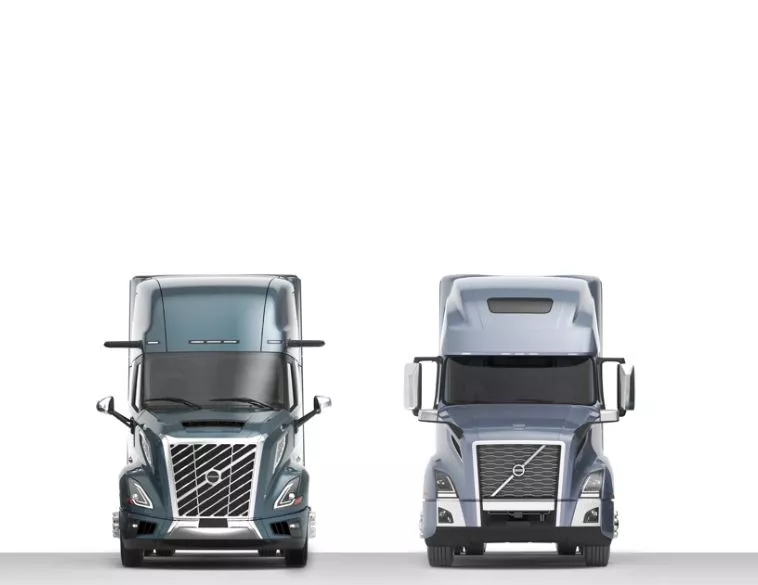
While the electric link between Quebec City and Montreal is already a reality, the ambition has now shifted to extending this network into Ontario. According to the findings of a report published this Monday by Propulsion Québec, the project to connect Quebec City to Toronto via a corridor for next-generation heavy-duty trucks is not only viable but achievable within an 18-to-24-month timeframe.
Strategic Infrastructure to Break Down Barriers
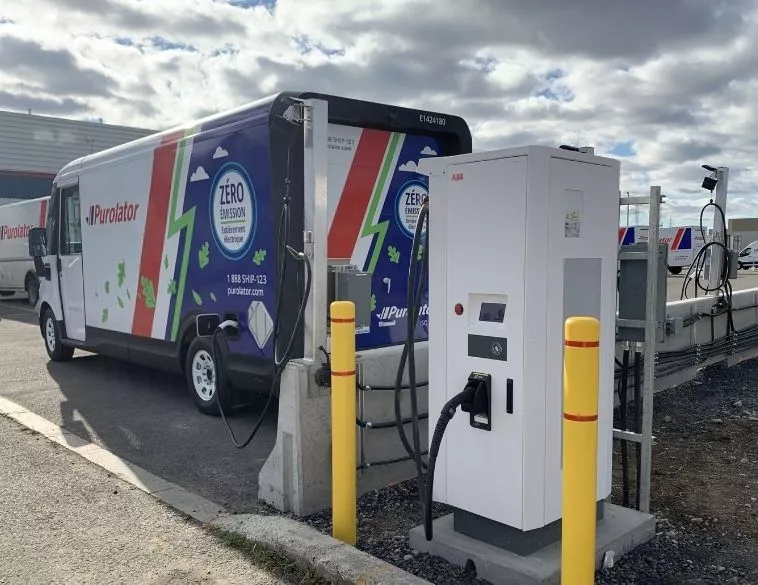
To cover the 800 kilometers separating these two economic hubs, next-generation Class 7 and 8 electric trucks require a robust infrastructure. Although there are already 71 charging points along the route, none are currently adapted to the specific needs of heavy-duty transport.
Alexis Laprés-Paradis, CEO of Propulsion Québec, points out that only seven dedicated sites are missing to complete the network. By installing these stations at strategic locations for drivers, the organization aims to reassure carriers and encourage investment in electric fleets without the fear of running out of power on the road.
Economic Sovereignty at the Heart of the Project
Beyond the environmental aspect, this corridor represents a major growth lever for the local industry. Diesel road transport still dominates, but Quebec already has key players ready to lead the transition:
- PACCAR will soon begin assembling its first electric models at its Sainte-Thérèse plant.
- Numerous charging station manufacturers and logistics software designers are already established in the province.
In a context of trade tensions with the United States, fostering an end-to-end Canadian industry has become a matter of economic security. Propulsion Québec hopes that upcoming federal announcements will specifically support heavy-duty transport infrastructure, complementing the funds already allocated to light vehicles by the government.
A Massive Ecological Impact
The Quebec City–Toronto axis accounts for nearly 75% of the country’s manufacturing output, making it one of the most carbon-intensive zones. In Canada, freight transport alone generates one-third of the greenhouse gas (GHG) emissions related to the transportation sector.
The Propulsion Québec study serves as a reminder that the transition to zero emissions is inevitable:
- Cost Parity: By 2050, the price of electric trucks is expected to align with that of diesel models.
- Forced Transformation: Almost all fleets will need to be converted over the next 25 years to meet climate targets.
By taking action now—mirroring initiatives already underway in California and Europe—Canada could not only decarbonize its economy but also export its technological expertise in electric heavy transport.