
HTEC Launches Canada’s First 700-Bar Commercial Hydrogen Cardlock
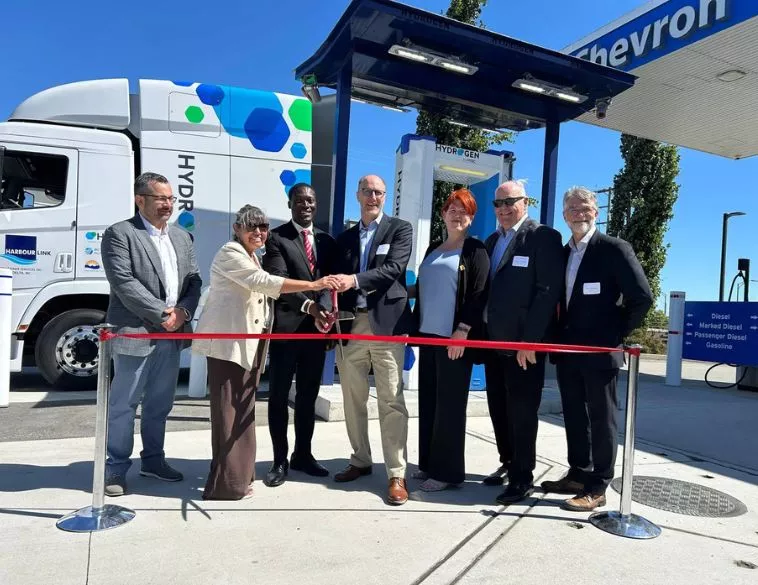
Canada's commercial transportation sector has reached a structural decarbonization milestone with HTEC’s commissioning of the nation’s first 700-bar commercial hydrogen cardlock fueling station.
Strategically positioned on Tsawwassen First Nation industrial lands near the high-volume Delta Port intermodal terminals, the facility is engineered to support zero-emission drayage operations and heavy-duty freight corridors.
The station activates the initial deployment of 12 Class 7 and 8 fuel cell electric vehicles (FCEVs) funded via the B.C. Hydrogen Truck Pilot Project and the B.C. Hydrogen Ports Project. The commercial asset maintains a daily throughput capacity of 400 kg of low-carbon hydrogen, supplied directly by HTEC’s dedicated clean production facility in Burnaby, B.C.
Core Technological Framework:
- 700-Bar Pressure Standardization: Introducing 700-bar capability to heavy commercial transport allows onboard storage tanks to compress a significantly higher payload of hydrogen. This technological pivot extends vehicle range, shortens filling cycles, and matches diesel operational run-times.
- Multi-Platform Fueling Versatility: While optimized for pure hydrogen fuel cell tractor-trailers, the dual-pressure architecture (350/700 bar) standardly services diesel/hydrogen dual-fuel combustion trucks and municipal transit buses.
- Asset-Light Leasing Model: To lower CAPEX barriers for regional logistics companies, HTEC is introducing Canada’s first dedicated commercial fuel cell truck leasing program to seed local fleet integration.
700-Bar Pressure Standardization: Introducing 700-bar capability to heavy commercial transport allows onboard storage tanks to compress a significantly higher payload of hydrogen. This technological pivot extends vehicle range, shortens filling cycles, and matches diesel operational run-times.
Multi-Platform Fueling Versatility: While optimized for pure hydrogen fuel cell tractor-trailers, the dual-pressure architecture (350/700 bar) standardly services diesel/hydrogen dual-fuel combustion trucks and municipal transit buses.
Asset-Light Leasing Model: To lower CAPEX barriers for regional logistics companies, HTEC is introducing Canada’s first dedicated commercial fuel cell truck leasing program to seed local fleet integration.
The launch aligns with recent fleet developments, including Loblaw & Partners initiating the country's first sustained commercial route demonstration of a hydrogen-powered Class 8 truck. This asset validation signals the commercial maturation of alternative-fuel infrastructure required to support regional long-haul decarbonization mandates.