
Planning for Procurement

Factors to consider when it comes to replacing your vehicles in today’s unpredictable environment.
For fleets, the biggest single cost is vehicle acquisition. Closely following that are maintenance and fuel. In today’s environment, these three aspects have been amplified by a whole host of different factors. Tariffs on raw materials, such as aluminum, copper and steel are driving up manufacturing costs, and those costs are impacting fleet acquisitions in both Canada and the U.S. Additionally, other factors such as volatility in fuel prices, labour shortages and even potential lubricant and parts shortages are all impacting vehicle operational costs and servicing.
Different approach
And this has significantly changed the way fleets and fleet managers approach vehicle acquisition. “Fleets have become much less comfortable locking into rigid, long-term decisions,” explains Maria Neve, Vice President, eFMC Services for Inspiration Mobility and Board President, NAFA Fleet Management Association. “They need to give themselves room to manoeuvre because pricing today is so volatile,” she says. “It’s hard to determine what things are going to cost next week, let alone next month.”
That’s why communication between fleet managers and procurement departments is more critical than ever. Neve says that flexibility needs to be a priority, and that includes thinking outside the box when it comes to the types of vehicles the fleet is looking to acquire.
Parr notes that in Canada, there has been some positive developments regarding emissions reductions on the fleet side, and these play directly into vehicle procurement and replacement.
“Fleets need to be really cognizant and intentional about life cycle management,” explains Neve, which means that they need to be looking at the Total Cost of Ownership, not just the cost in acquiring and turning that vehicle.
There’s also the question of what types of vehicles to acquire and when to acquire them. Over the last several years, particularly in the light-duty sector, there has been a push toward electric vehicles, primarily battery electrics. Policy decisions in many developed countries including Canada and the United States leaned toward ever greater EV adoption whether it was through government and provincial/state incentives and/or mandates that called for a specific percentage of new vehicle sales to be either battery electric or plug-in hybrid by a certain date.

Big changes
In 2025, big changes in government policy in the U.S., essentially did away with both mandates and incentive programs. In Canada, the situation has proven to be a bit more complex. While the federal government backed away from its EV mandate, it’s focus toward emissions reduction targets through 2035, still diverges from the United States, which potentially, presents additional complications, particularly for fleet customers that extensively rely on pickup trucks and commercial vans and even larger class 6 and up trucks and vocational vehicles. If emissions standards between both countries increasingly differ, Canadian fleets may not be able to access their traditional type of pickups and commercial vehicles, because doing so will prove too costly from an emissions and legislative standpoint.
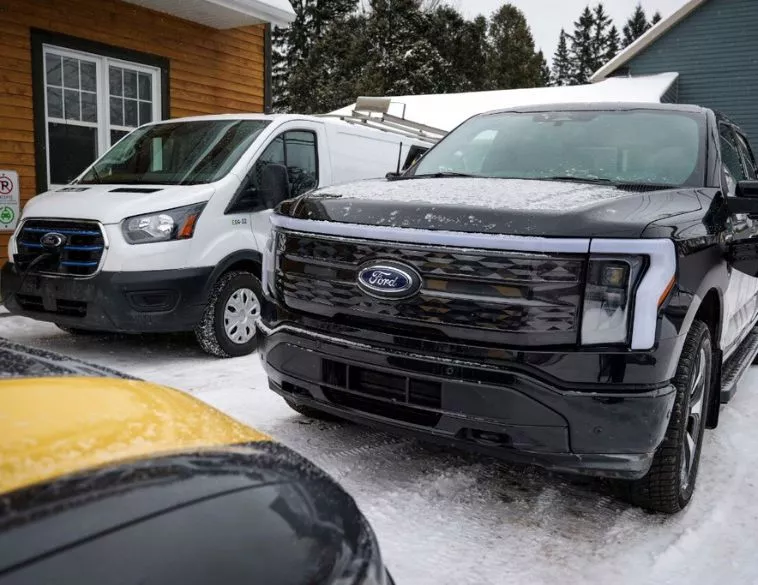
There’s also the issue of availability. At the 2026 NAFA I&E expo in Cleveland, Ohio, a major topic of discussion was vehicle availability. With EV incentives drying up in the U.S., there has been a surge in demand for hybrids, particularly vehicles like Ford’s F-150 hybrid and even smaller vehicles like the Maverick hybrid which has proved hugely popular with fleet customers. According to Charles Matthew, Director, Acquistions at Merchants Fleet, the demand for hybrids is causing supply constraints, limiting availability and in some cases driving up acquisition costs for the inventory that is available.
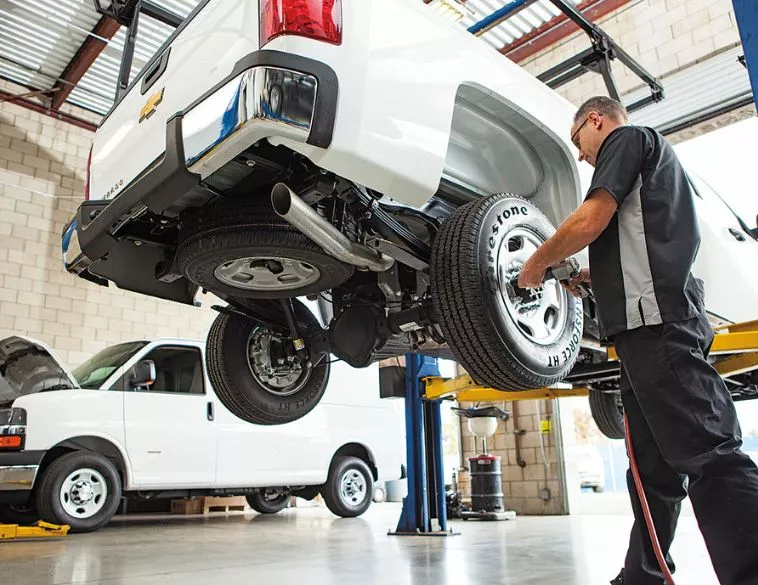
Cargo vans, such as the Ford Transit, Mercedes-Benz Sprinter, Ram ProMaster and newly introduced ProMaster City, as well as stalwarts such as the 3/4 and 1-ton capacity Chevrolet Express and GMC Savanna are currently experiencing better prospects, at least in terms of supply constraints, and the introduction of a smaller capacity van like the ProMaster City is a welcome addition to the cargo fan sector, particularly as other competitors such as the Transit Connect and Mercedes-Benz Metris have been discontinued.
Cargo demand
Nevertheless, demand for cargo vans is also surging, and with (as we went to press), re-negotiations around the Canada-U.S.-Mexico free trade agreement (CUSMA) scheduled to take place [which could further impact pricing and availability], Matthew and others are advising fleets to place orders for new vehicles as soon as they can.
On the heavier-duty vehicle side, potential new emissions regulations from the Environmental Protection Agency (EPA) around oxides of nitrogen from diesel engines in 2027, could also impact larger class 7-8 vehicles, increasing premiums on new units by as much $10,000 to $15,000. Additionally, more advanced engines mandated by these regulations, could not only impact procurement costs, but also serviceability and downtime, particularly if technicians have to be trained to understand new technologies.
There’s also the issue of what’s happening in California regarding emissions and fuel economy standards, since traditionally, the Golden State has set the standard for other jurisdictions, particularly in the U.S. and Canada. According to Michael Parr, Senior Advisor at HillStaffer, Government Regulations, which provides strategic advisory services for industry associations and organizations, the California Air Resources Board (CARB) has made things difficult for fleets with its existing electric vehicle mandate, known as the Advanced Clean Fleets (ACF) legislation. The issue is that ACF and the stance taken by CARB regarding emissions reduction, is seen as increasingly out of step with the reality of both market demand and the true pace of technological advancement.
Impracticality
During an interview with Fleet & Mobility, Parr stressed that in the case of California, many fleets that are based there are currently struggling to comply with very stringent regulations, both from a procurement and operational capacity, which is adding cost and inefficiency, impacting not only their business, but the wider economy as a whole.
“Fleets deliver critical services to every resident every day,” says Parr, “whether its public safety, delivering manufacturing raw materials and finished goods, moving people as well as farm and energy products, as well as ensuring retail establishments are fully stocked.” In doing so, he explains, fleets need access to a variety of vehicle types that can operate in a wide variety of conditions, while at the same time looking to reduce their operation costs and emissions. “The more technology options they have available, the better they will be able to meet these overlapping needs of goods and service delivery and emissions reductions,” he says.
That’s why, when it comes to regulations, taking a more neutral approach to emissions reduction targets than what CARB is currently proposing via ACF makes much more sense, since it leverages market demand and true technological advancement instead of trying to use a sledgehammer approach.
Positive developments
Parr notes that in Canada, there has been some positive developments regarding emissions reductions on the fleet side, and these play directly into vehicle procurement and replacement. “The government has recognized that for fleets, medium and heavy-duty vehicles are a key element of their vehicle purchasing needs and that the availability and cost of vehicles in these segments have lagged expectations significantly,” he says.
With that in mind, the Government of Canada has taken a carrot versus a stick approach as what’s been seen in places like California. Instead of trying to mandate what types of vehicles fleets purchase, they are instead providing incentives and subsidies to help buy down the cost of those vehicles when they are available and are suited to specific fleet requirements. And that’s something that when it comes time to look at replacing existing vehicles and procuring new ones, fleet operators in this country should seriously consider.