
Turning Charging Costs Into New Commercial Revenue

Integrating carbon credit monetization with bidirectional charging software allows Canadian fleet operators to offset high capital expenditures during electric vehicle transitions.
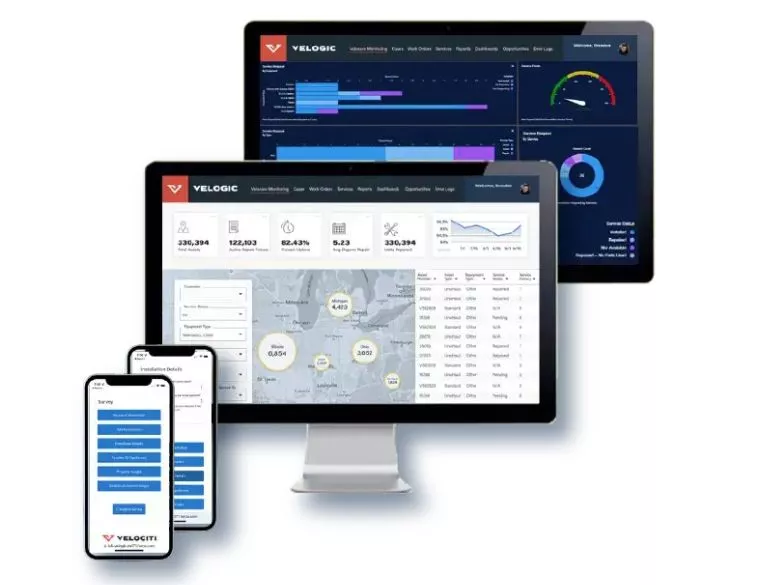
Quebec-based charging infrastructure and energy management provider Polara has secured a ranking on the 2026 Deloitte Technology Fast 50 list, posting a four-year revenue increase of 560 per cent. The company’s commercial footprint spans 165 completed turnkey charging installations, 290 operational facilities monitored via its proprietary Cleo software platform, and regulatory carbon credit administration for approximately 150 commercial electric fleets across North America.
For Canadian commercial fleet executives, municipal transit managers, and school bus operators, high electrical utility demand charges and grid interconnection bottlenecks represent substantial hurdles to fleet decarbonization. Automated energy management platforms mitigate these operational risks by scheduling charge cycles during off-peak power hours, shaving peak demand charges, and generating incremental revenue by trading verified carbon credits derived from kilowatt-hour deployment.
According to Polara CEO Sébastien Fournier, sustainable fleet transition requires integrating bidirectional vehicle-to-grid (V2G) and vehicle-to-everything (V2X) capabilities into everyday depot workflows, as demonstrated by the firm’s municipal deployment in Victoriaville, Quebec. Implementing intelligent charging control empowers commercial transport operators to transform grounded battery electric vehicles into distributed energy assets, ensuring facility power resilience while protecting operating profit margins.