
Fleet Maintenance: Time for Teamwork
Fleets need to work with their fleet management companies, and their local garages or dealerships in order to keep maintenance costs down.
With the costs of vehicle maintenance rising, should fleet managers be shopping around to find the best prices, or is this the time to build relationships with local garages and/or dealerships that can offer a teamwork approach to maintaining your fleet vehicles?
“Trust is a big factor in choosing vendors and ensuring consistent quality of work,” says Matt Chapman, Product Partner Manager, Fleetio. “Cherry-picking for maintenance shops, based solely on price, typically does not make the most sense for many fleets. Sometimes those pricing concessions come with a less than ideal driver experience, or require the driver to travel a farther distance, taking the driver and vehicle off the road longer than expected.”
Geoff Seely, VP and General Manager, Holman—Canada argues that this is the time to build relationships. “Fleet maintenance,” he explains, “is a three-way relationships between the service provider, the fleet management company (FMC) and the client. There needs to be a great relationship between the three parties because we need to make the experience better for the driver, since they will typically go to the shop where they have the best experience.”
Seely says fleet managers need to assure that their drivers get their vehicles maintained at a “preferred shop,” whether that’s a national account or a shop that offers preferred pricing, because that will keep costs down.
That said, it’s also critical to treat the garage or dealer well, because doing so will assure that your drivers aren’t placed at the back of the line whenever they go in for service. “If it’s a pain for the shop to process invoices, or if you’re slow to pay your invoices, or if you leave the shop waiting on the line whenever they call to get an approval for a work order, they’re not going to want to work on that fleet’s vehicles,” Seely explains.
Nip it in the bud
Taking your vehicles to the same garage or dealership for maintenance allows their staff to get to know your vehicles, and to potentially anticipate future maintenance and repair needs. The teamwork approach allows fleets to avoid costly maintenance problems by addressing issues before they mature into full-blown repair needs.
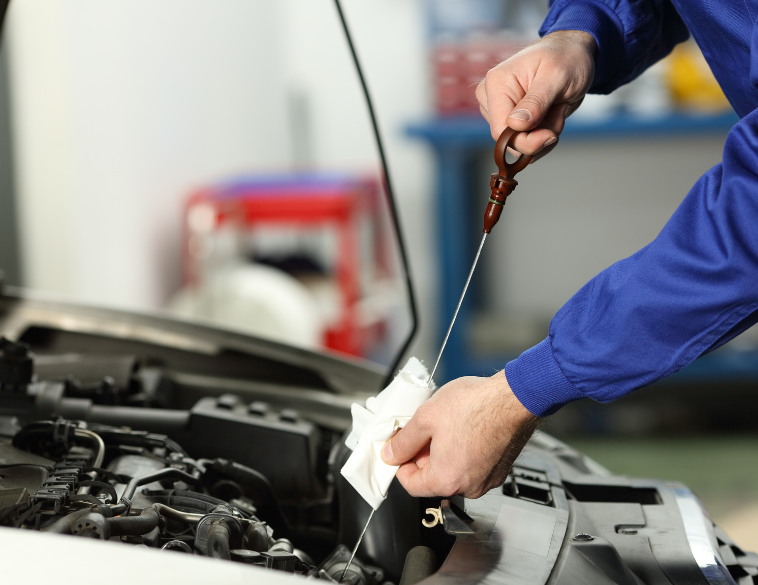
Whenever a vehicle is in for a typical oil and filter change, for example, the technician working on the vehicle should “have a quick look-over, inspect the brakes, which is really important,” says Melinda Boyd, Director of Fleet Services, Jim Pattison Lease. “You want to be able to see when the brakes are starting to wear down and replace the pads as soon as possible, so you can avoid the costly replacement of the calliper pins or the rotors.”
Sasha Arasteh, E-Mobility and Services Manager, Shell Americas agrees that fleets need to have strong relationships with their local garage or dealership. “That relationship is important,” she explains, “because it impacts time management, coordination of schedules, and the management of ongoing maintenance costs.”
When it comes to reducing costs, Arasteh explained that Shell’s Fleet Management Hub, launched in Canada earlier this year, offers fleets access to a network of over 1,000 service providers across Canada that have been vetted and approved by Shell. These include both aftermarket garages, as well as dealerships.
“We've negotiated a discount off the standard retail pricing for fleets,” Arasteh explains, “so fleets get that cost savings upfront, and don’t have to negotiate with each shop themselves.” The average savings, she adds, is 26%.
The perfect storm
Today’s inflation numbers, coupled with supply chain challenges that translate into parts shortages, as well as a lack of skilled labour, have all created a perfect storm for fleets as they try to maintain aging vehicles.
If you’re feeling the pinch, you’re not alone. “Our customers tell us that one of the biggest points of cost change has been due to supply and demand issues with parts creating sourcing issues and increased costs,” says Fleetio’s Chapman. “Additionally, finding skilled labour in certain areas has become problematic, creating an increase in cost for performing maintenance.”
The result, Chapman concludes, are higher maintenance costs, as well as increased downtime. “The pricing changes we have seen from vendors is roughly 10% higher than 2021,” he adds. “That can certainly vary, and I do think the cost of vehicle downtime is also a big factor since shops are struggling to find technicians to fill their schedules.”
Now, more than ever, fleets managers need to build on their existing relationships with their FMCs, their local garages, and their local dealerships in order to assure that their aging vehicles are properly maintained, and that their drivers can get back on the road, and back to business, as quickly as possible, and with minimal fuss and expense.