
Buying Canadian-Processed Aluminum
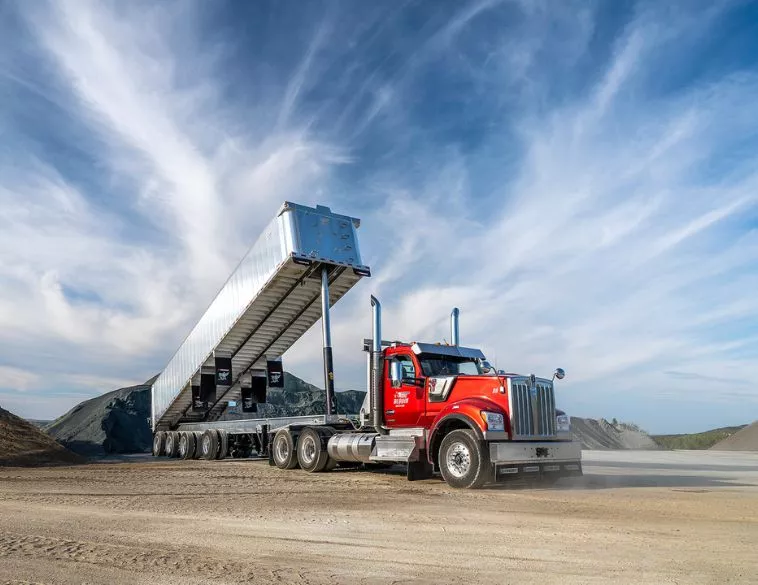

As we know, the automotive industry is a major consumer of aluminum components. What’s less obvious, though, is the vital role that the transportation equipment sector plays in the aluminum market. Driven by the unpredictable tariff climate under the Trump administration, van body and trailer manufacturers are increasingly turning to domestic suppliers for parts and components made of this lightweight, rust-free metal.
From flatbeds and tankers to dump bodies and van bodies, transport equipment manufacturers are avid consumers of steel and aluminum. In the constant quest to build lighter, more durable products, the use of aluminum has grown exponentially. Yet, while Quebec and Canada are major primary aluminum producers, the domestic processing industry struggles to win market share. Because aluminum extrusion investments are astronomical and Asian competition is fierce, equipment manufacturers long relied on foreign suppliers for most of their parts. Everything changed with the tariff war triggered by the U.S. government.
"Before the recent tariff and geopolitical disruptions, competitive foreign sources kept local demand too low to justify increasing production capacity," explains Charles Dutil, CEO of Manac, Canada’s largest heavy trailer manufacturer. "Recent pressures have prompted Manac, and many others, to look into local sourcing options, boosting domestic demand and potential supply. Fortunately, local suppliers have stepped up to match that growth."
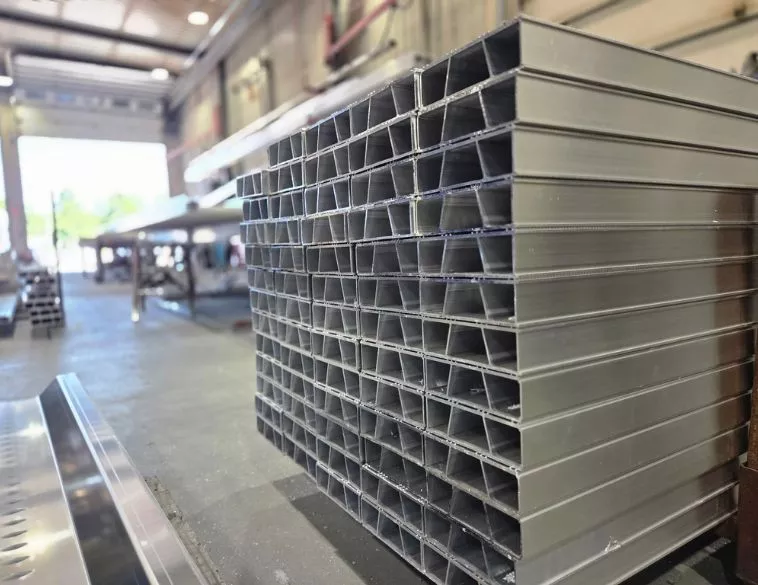
Domestic aluminum extruders traditionally focused on small-scale profiles for doors and windows. Because trailer manufacturing requires larger, thicker components, Manac had to rely on imports. That all changed when the constant back-and-forth of tariffs introduced deep market uncertainty.
"Over the past 18 months, we’ve successfully brought production back to Quebec for certain components we previously had to source from a major supplier in central Pennsylvania," says Dutil. "Local extruders stepped up to invest in presses, and we invested in dies to make this transition possible." The result: a significant increase in Canadian content for trailers manufactured at the Manac plant in Beauce.
Solidifying the supply chain
Soudure Brault in Estrie has been manufacturing dump bodies and flatbeds for over 40 years. Specializing in aluminum transport equipment since day one, the family business stands out from most peers. Founder's son Vincent Brault points out that they didn’t wait for tariff wars to disrupt supply chains before seeking Canadian-sourced materials.
"Since the COVID pandemic, we’ve gone from 50% imported extrusions to 80% manufactured in Canada. We invested in dies with Quebec and Ontario extruders. We're successfully moving more of our parts production to Canada. However, limitations on certain dies and pricing for specific profiles mean we still have to rely on Asian or European suppliers."
Pandemic-related supply chain disruptions caused massive headaches. To keep production moving, the company was forced to order up to a year’s worth of inventory at a time, taking an inevitable toll on cash flow. Today, nearshoring its supply chain has reduced that uncertainty and improved quality control.
It’s a similar story at van body manufacturer Fourgons Leclair, where aluminum helps reduce vehicle weight and increase truck payload capacity.
"Our supply chain for aluminum extrusions has changed significantly over the past two years," explains Sébastien Leclair, Vice-President of Operations. "We shifted from American imports to components made in Canada."
Developing production capacity
Although Quebec ranks fourth worldwide by producing nearly 3 million tonnes of primary aluminum a year, local processing struggles against low-cost foreign competition. AluQuébec, the aluminum industrial cluster, is working tirelessly to promote local processing of this metal, which is manufactured here using Quebec hydropower.
Facing intense competition and tariff pressures, AluQuébec is urging both levels of government to better support SMEs currently squeezed by falling sales and rising costs.
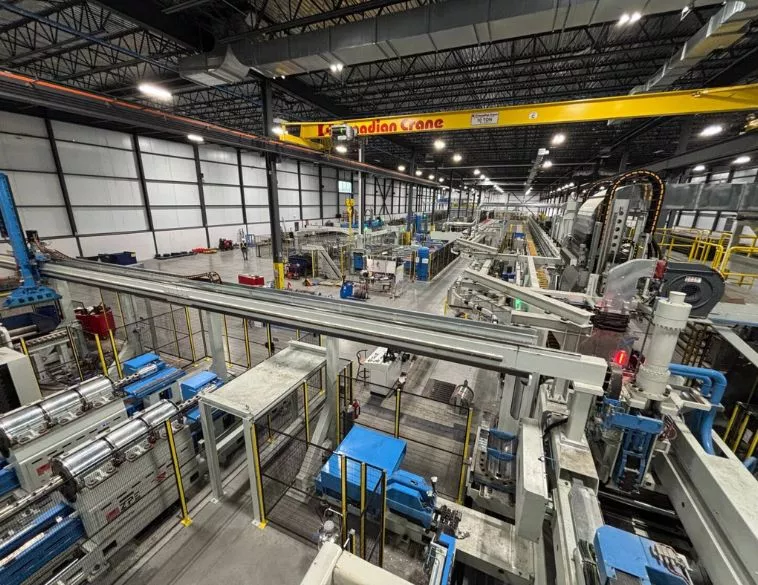
Despite this difficult climate, last year, a major Canadian supplier of primary aluminum materials, Magna Stainless & Aluminum, decided to offer its customers products processed in Canada. Since last September, Magna Aluminum Profile has been operating a brand-new plant in Salaberry-de-Valleyfield, featuring the first fully electric extrusion line in North America. It was a risky bet, but one designed to ensure fast delivery and high-quality products for Canadian clientele, particularly transportation equipment manufacturers.
According to Chantal Chamberland, External Sales Manager at Magna Stainless & Aluminum: "Our biggest competitor isn't the United States; it’s Malaysia and Turkey. Even with Quebec aluminum billets and top-tier machinery, we can't beat Asian imports on price. But the advantage of Quebec extruders is our speed in serving our clientele. Our customers don't have to wait six months to receive their orders."
A major blind spot remains: Canada lacks an aluminum rolling mill to produce sheet and plate metal. These materials are vital for building transport equipment like dump bodies and trailers.
"AluQuébec is working very hard to invest in a rolling mill of this nature, but the required investment would be measured in billions of dollars," says Vincent Brault of Soudure Brault. "Right now, we have no choice. We have to import by the containerload, in 40,000-pound shipments per dimension."
According to the industry stakeholders consulted, the current trend toward reducing reliance on foreign extruders is expected to intensify.
A critical industry
The Canadian transportation equipment manufacturing industry represents hundreds of SMEs across the country, ensuring that carriers and other commercial vehicle users have access to Canadian-built trailers, van bodies, and other equipment compliant with local standards. However, like all economic sectors, this industry is heavily impacted by the customs duties imposed by our southern neighbors.
The Canadian Transportation Equipment Association (CTEA) recently set up a committee to monitor tariff issues. CTEA members rely on a secure, economically viable supply of parts and components, specifically steel and aluminum parts. Government support for domestic extrusion production would help this vital sector offset rising manufacturing costs and stay competitive against U.S. rivals.