
Moving Toward Better Transport Optimization



Telematics may still be a relatively young field in road transport, but its evolution has been nothing short of impressive.
In just three decades, simple tracking systems, once limited to blinking dots on a map, have evolved into sophisticated fleet management platforms. Their role now extends far beyond compliance and visibility. They form the technological backbone for strategic decision-making, safety, maintenance, and day-to-day operational optimization. And today, artificial intelligence is opening the door to a new era of route optimization.
Behind this rapid progress lies a paradox that continues to challenge system and service providers. Technology is advancing faster than carriers can integrate it. Combined with limited internal resources, this widening gap places support and partnership at the heart of the value proposition.
A level of technological complexity that exceeds what internal teams can handle
Conversations with several major technology providers across the transport sector reveal the same reality. Fleets neither have the time nor the internal expertise to keep up. Innovations arrive at a rapid pace, new features roll out each month, and fleet managers are simply trying to keep daily operations running smoothly.
Anthony Mainville, CEO of AttriX, sums up the situation clearly.
“I think all the providers in the industry are deploying amazing new features. But the issue is that customers do not always have the time to step back, take advantage of them, or use them. We can push technology all we want, but customers won’t use it to its full potential if no one guides them.”
And these tools need to address real operational needs, adds Guillaume Poudrier from Geothentic.
“The end goal has to stay simple so that people can make proper use of the information being gathered. It has to be adapted and flexible based on what a customer is looking for. It is great to collect information, but you have to do something with it. A large percentage of customers still only need the basics, which means knowing where their vehicles are and what data they need to manage their maintenance properly.”
Jacques DeLarochellière, CEO of ISAAC Instruments, reinforces the idea that value no longer lies in the abundance of features, but in simplicity and automation. The technology is already there. What fleets lack is the time and availability required to adopt it.
“Telematics capabilities are growing faster than adoption. The average fleet is doing far more than five years ago, yet the solutions can also do much more.”
The consequence is predictable. Tools are underused, data is underexploited, and decisions remain intuitive even though they could be far more informed.
An industry that keeps accelerating
In this shifting landscape, Jaime Williams, recently appointed Director of Strategy at AttriX, offers the insight of someone who witnessed the industry’s early days.
“I have been in this field for 30 years, going back to the days of satellite tracking and the first Qualcomm solutions. Those were the early days of telematics. Today, everything evolves constantly. It is no longer just dots on a map. It is about unlocking the full value of a truck, a trailer, and a driver.”
His perspective highlights a major shift. The evolution from tracking to prediction. Predictive analytics and AI are the next major step. In practical terms, this means:
• knowing when a truck should be taken off the road ahead of time
• forecasting revenue opportunities for a driver
• avoiding downtime that drains fleet productivity
• continuously optimizing routes, fuel usage, and travel planning
Williams also stresses that these tools are not just for managers.
“ Drivers want to improve how they work as well. AI gives them the ability to be more efficient and safer.”
A shared conclusion: support is essential
Telematics providers may approach technology differently, but their conclusions all point in the same direction. Data only creates value when the right resources are there to support it.
“People often think telematics is a magic solution that lets them solve whatever issues they face,” says Guillaume Poudrier from Geothentic. “But the information collected needs to be managed and used, and that means changes at the organizational level. You need resources to make it happen.”
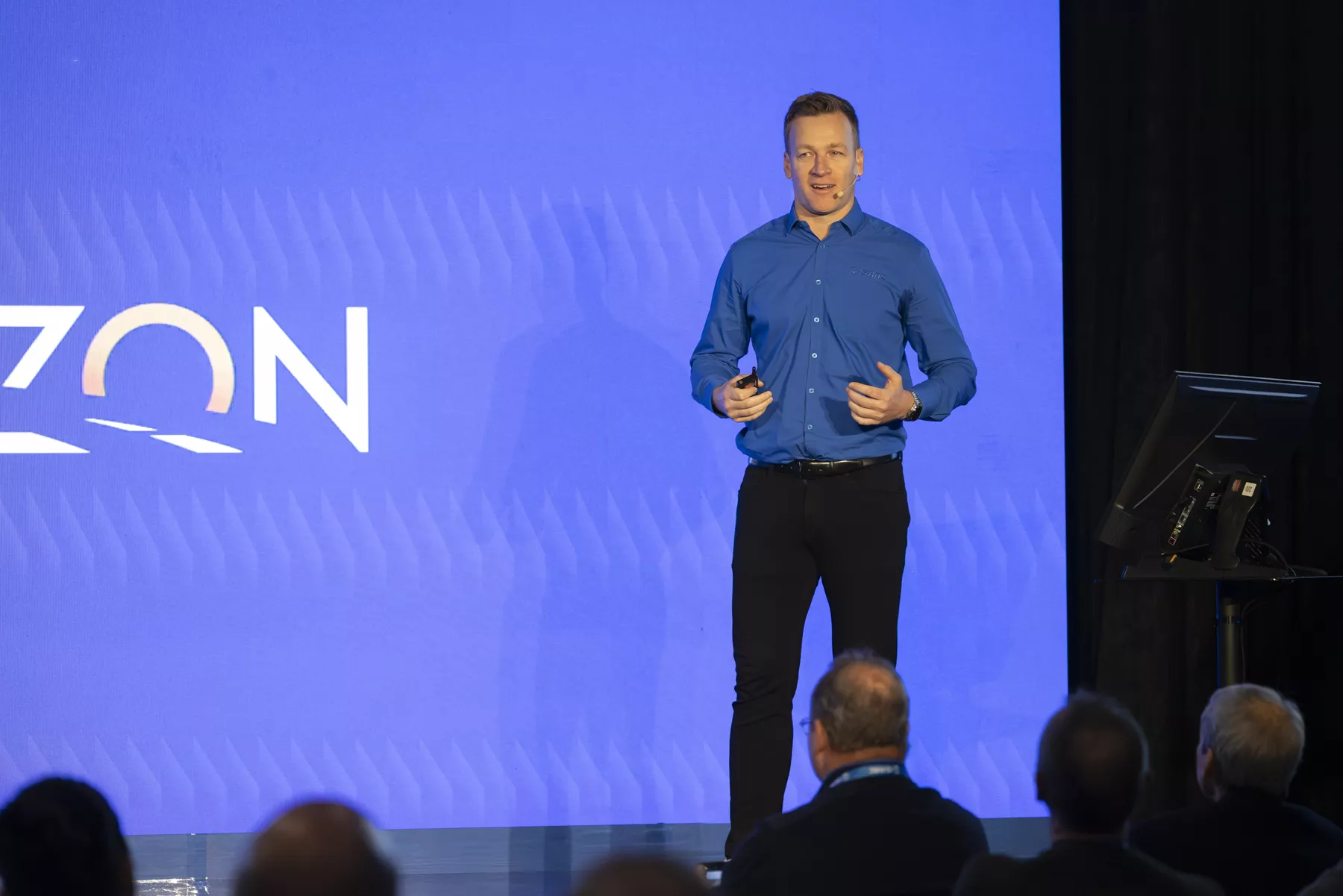
The 2025 ISAAC Horizon conference made this point clear. The industry is going through a difficult cycle marked by historically high costs, and carriers are searching for practical ways to remain competitive. Partnership, the central theme of the event, is far more than a marketing message. It has become a necessity.
AttriX’s approach is grounded in real-world operations. The company emphasizes its hands-on expertise and relies on a team of specialists to guide customers. Training, automated audits, ELD analytics, proprietary tools integrated into Geotab, and personalized support show that this is much more than a sales relationship.
And both companies agree. Without the right level of support, carriers tend to abandon innovation as soon as day-to-day pressures take over.
Intelligent route optimization: AI changes the rules
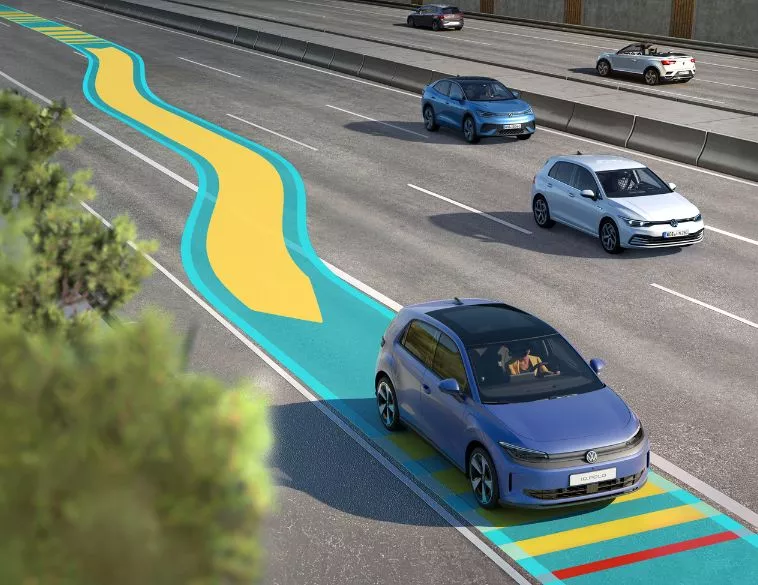
The new frontier in telematics is the intelligent optimization of routes.
For years, route optimization meant avoiding detours and construction zones, reducing fuel consumption, and finding the most affordable fuel stop.
Today, AI combines hundreds of real-time inputs, including:
• anticipated mechanical condition of the vehicle
• weight and nature of the cargo
• customer-specific constraints
• driver availability
• weather and congestion levels
• safety considerations
• fuel optimization
• historical route performance
The outcome is faster, more economical, and safer routes that often differ significantly from what human intuition would suggest. The goal remains to reduce costs and make better use of assets, but also to make a driver’s work easier, more enjoyable, and more profitable.
Too much technology and not enough time
The evolution of telematics, combined with the rapid rise of AI, offers immense potential for road transport. Yet this potential only translates into real results when carriers receive proper support. This applies to every telematics provider in the market.
Technology is moving at full speed. Fleets are simply trying to keep moving forward. In this environment, the true competitive advantage is no longer the tool, nor the price, nor even the feature set. It is the provider’s ability to walk alongside the carrier, understand their day-to-day challenges, simplify usage, and turn a complex solution into a measurable result.
And although artificial intelligence now plays a defining role in how solutions are developed and used, the future of telematics is not only about AI. It is about human relationships, support, and mutual understanding.