
Rust Never Rests

Fleet professionals can minimize rust damage through regular inspections, strategic maintenance, and corrosion-resistant equipment.
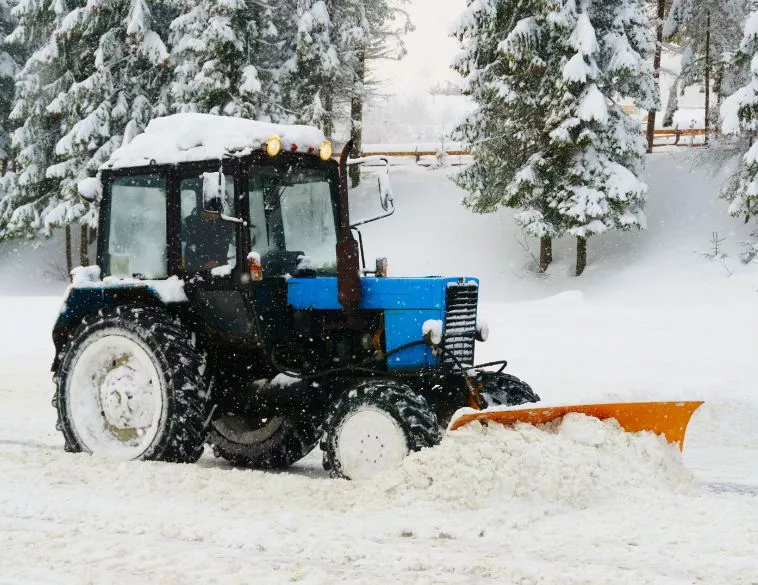
Here in Canada, rust is more than a cosmetic issue. It is one of the most persistent and costly threats to fleet assets. From delivery trucks navigating snow-covered roadways to snowplows operating in some of the harshest winter conditions, exposure to road salt, moisture, and fluctuating temperatures can accelerate corrosion and shorten vehicle life.
As fleets face increasing pressure to maximize asset utilization, control maintenance costs, and extend replacement cycles, proactive corrosion prevention has become a critical component of fleet management. Understanding how rust develops, and implementing effective strategies to prevent it, can help fleet operators protect their investments, improve reliability, and preserve vehicle value for years to come.
“Rust resistance is an important part of the decision-making process.”
- Jeff Klinghoffer, Director, Regional Engineering Managers, Holman
Rustproofing options
Many Canadian drivers believe that some form of aftermarket rustproofing is a must, which is why consumers often choose to add an extra layer of protection to their personal vehicles. Whether applied as a do-it-yourself treatment, or by a professional service provider, the goal is the same: exposed surfaces, seams, and joints are coated with a chemical solution designed to protect against corrosion.
The same type of chemical solution can be applied to a wide range of commercial vehicles, from medium-duty and heavy-duty trucks, snowplows, emergency vehicles, trailers and beyond. Third-party suppliers can spray an entire fleets of vehicles, helping these valuable assets withstand the effects of Canadian winters, including salt, moisture, grime, and severe weather conditions.
An ounce of prevention
While rustproofing is certainly an option, Dave Broadwater, Manager, Fleet Management Services at Holman argues that, “generally speaking, fleet operators in Canada, specifically those focused on snow removal, typically do not incorporate any sort of rustproofing in the scope of their preventative maintenance program.”
Occasionally, he adds, fleets will descale or repaint snow-removal components, or refurbish and replace parts that have suffered excessive corrosion. However, proactive rust prevention is not commonly included in most maintenance programs.
So what should fleet professionals do? From a maintenance perspective, Holman recommends thoroughly inspecting all components, both before and immediately after the peak of snow removal season.
“This is especially important for any components that have been removed from the vehicle during the offseason and sat idle for an extended period,” Broadwater adds. “Repairing rust damage can be expensive and time consuming, so you’ll want to make sure you identify any issues well before the start of the season.”
In addition, Broadwater recommends regular inspections throughout the year.“This should be part of your routine preventative maintenance,” he says, “addressing issues that may arise to help mitigate any potential long-term problems.”
Vetting suppliers
Jeff Klinghoffer, Director, Regional Engineering Managers at Holman believes that fleet managers should consider corrosion resistance when upfitting trucks and deciding which suppliers offer the best solutions for our demanding Canadian winters.
“Rustproofing typically isn’t part of the upfitting process,” he says. “However, rust resistance is an important part of the decision-making process when selecting components such as plow blades, salt/sand spreaders, services bodies, or any other component made from materials that could oxidize.”
Klinghoffer offers the following advice: “When vetting a component supplier, ask whether components are dipped in, or sprayed with zinc oxide as part of the manufacturing process before paint or a topcoat is applied. These processes help inhibit rust and provide additional durability benefits."
According to Klinghoffer , dipping components into a bath of zinc oxide prior to painting or top coating is the preferred option. This process allows the zinc oxide to thoroughly coat the entire component, creating a physical barrier that prevents oxidation. If the paint or topcoat chips, the zinc will corrode, protecting the base metal.
“Dipping components is the best for long-term durability, and most large component manufacturers use this process,” he says.
Spraying the component with zinc oxide during manufacturing is another option. However, Klinghoffer warns that because this is a manual process, it generally results in a thinner coating, which increases the possibility that some areas may be missed.
Galvanized and galvannealed steel
While most fleet professionals are familiar with galvanized steel, galvannealed steel is another option worth considering. According to APX York Sheet Metal, the two materials are similar but differ in several important ways:
The galvanization process involves immersing a steel sheet in molten zinc at approximately 450°C, creating a zinc layer that bonds to the steel substrate at the molecular level. This zinc coating protects the steel from oxidation when exposed to corrosive environments.
The galvannealing process is similar, but the steel substrate is subsequently heated to approximately 565°C. At this temperature, additional iron is drawn from the steel and combines with the zinc to form an alloy coating that contains more iron and less zinc than traditional galvanized steel. The result is a stronger surface that offers improved weldability and paint adhesion.
Holman’s Klinghoffer notes that while galvannealing and powder coating components are an option, “if the paint or top coating chips or scratches, the metal is exposed and susceptible to rust.”
The real difference here is whether the coating protects the steel after it has been compromised, he adds. “Zinc oxide buys you time to address the issue even when damaged. Painting or powder coating only works as a preventative measure until chipping or scratching occurs.”
For Canadian fleets, corrosion prevention is ultimately about protecting asset value and ensuring operational readiness. While aftermarket rustproofing may not be a standard practice for many operators, regular inspections, timely maintenance, and selecting corrosion-resistant components can significantly reduce the long-term impact of rust.
In an environment where vehicles are routinely exposed to salt, moisture, and extreme weather, a proactive approach to corrosion management can help extend equipment life, lower repair costs, and keep trucks and snowplows performing reliably season after season.