close-btn

EV Production: Impacts of Current Procurement Challenges
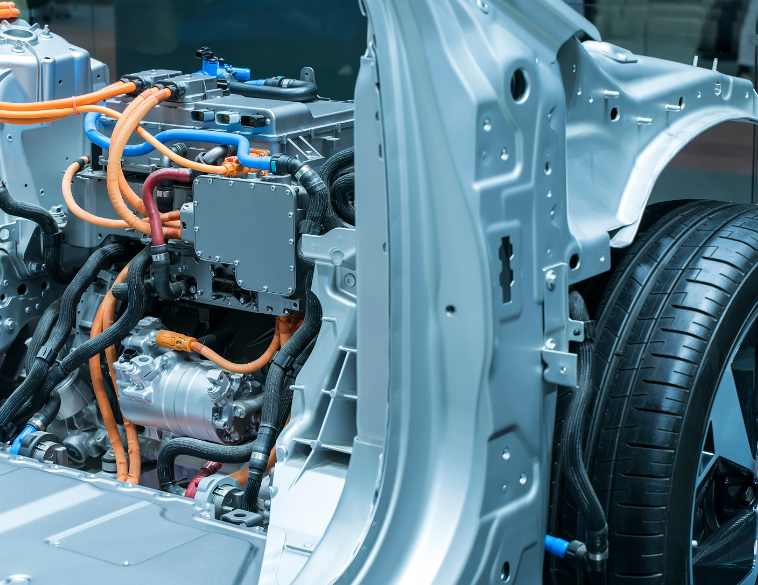
One of the current consequences of the COVID-19 pandemic is the global supply crisis.

The electric transport sector is not spared: the supply of components of all kinds is causing headaches for manufacturers.

In a recent article, Propulsion Québec, in partnership with Merkur Inc., presents the best strategies for minimizing supply chain impacts on electric vehicle production. These strategies are:


  • Rely on a diversified supplier network

  • Increasing inventory at the expense of just-in-time

  • Revisit your designs and opt for local materials and manufacturing processes

  • Reduce your product offering


To learn more and read the full article, visit the Propulsion Québec website.
 

Light Vehicle

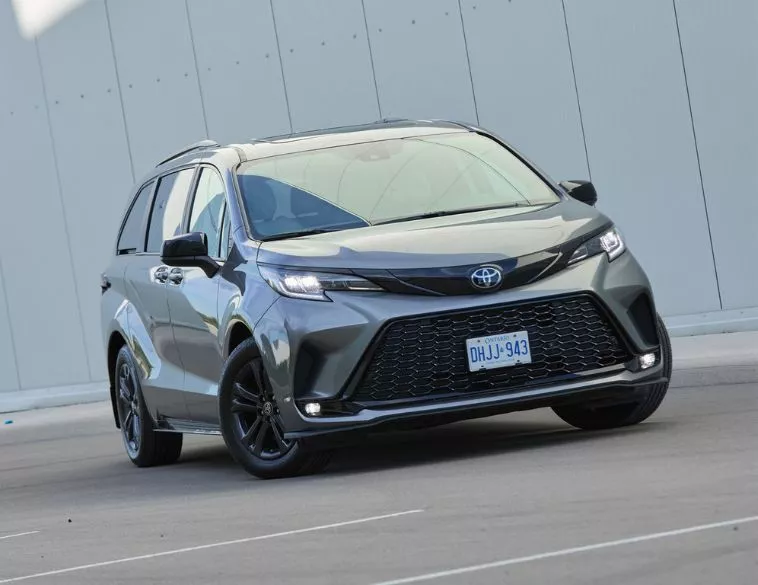
Test Drive: 2026 Toyota Sienna

Test Drive: 2026 Toyota Sienna

While crossovers and SUVs have become the default choice for both consumers and fleets, it's easy to overlook what the modern minivan still brings to the table. The 2026 Toyota Sienna is a compelling reminder that this segment remains as relevant...

Medium-Duty

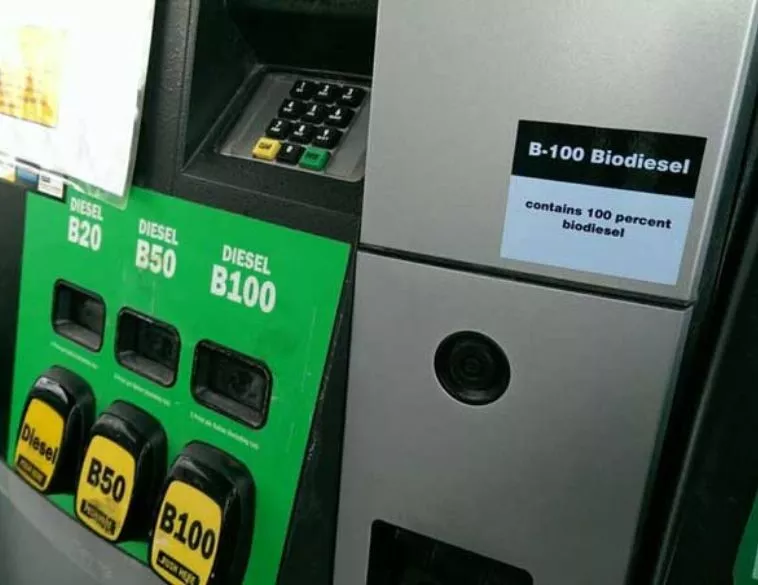
Is B100 Biodiesel Closer Than We Think?

Is B100 Biodiesel Closer Than We Think?

To support commercial transportation fleets navigating carbon reduction mandates, Optimus Technologies and Chevron have partnered to expand the commercial availability and adoption of 100% biodiesel (B100). The collaboration combines Optimus’...

Heavy Truck & Specialty

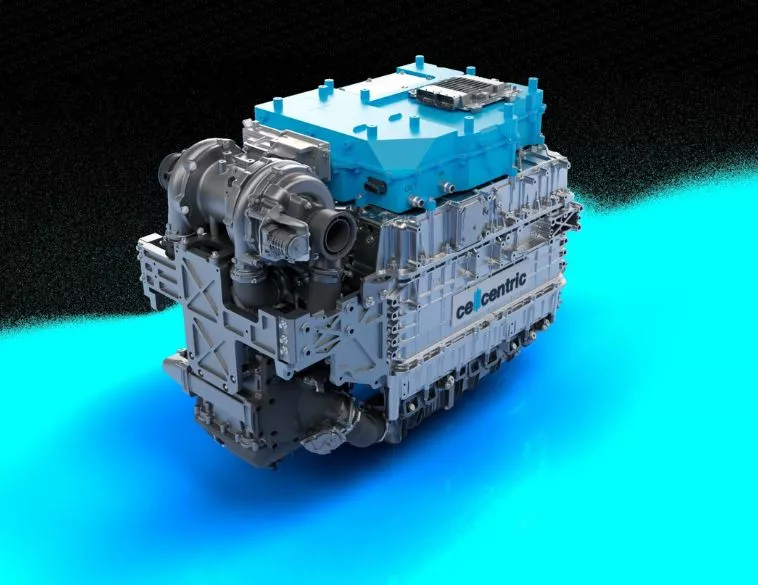
Three automotive giants are joining forces to accelerate the industrial production of fuel cells for commercial transportation

Three automotive giants are joining forces to accelerate the industrial production of fuel cells for commercial transportation

Accelerating the deployment of hydrogen technology across the heavy-duty transportation sector, Volvo Group, Daimler Truck AG, and Toyota Motor Corporation have signed a binding agreement for Toyota to join cellcentric as an equal shareholder....