
Cross-Border Tariffs: Heavy Equipment Dealers Demand Trade Policy Certainty
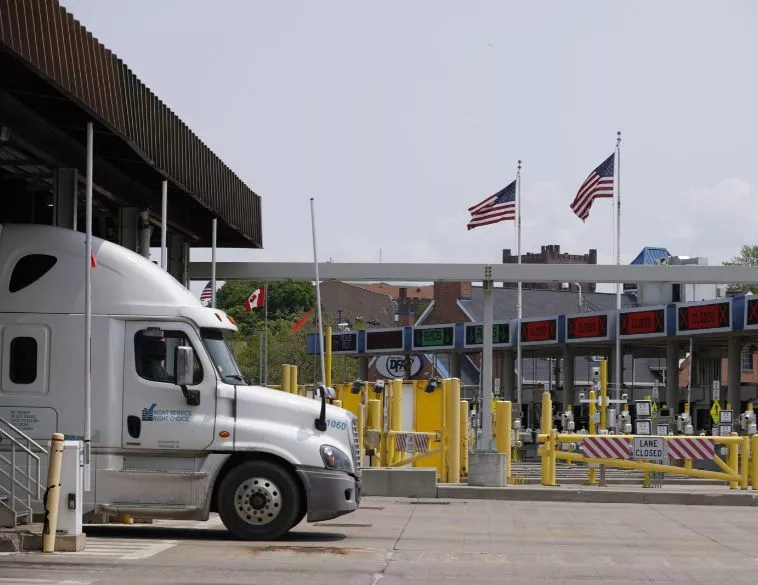
Unresolved CUSMA trade disputes and mounting cross-border tariff risks threaten to inflate commercial fleet operating costs while stalling heavy equipment service bay work.
Associated Equipment Distributors (AED) has formally urged the Canadian federal government to prioritise stable bilateral commerce during ongoing Canada-United States-Mexico Agreement negotiations. Representing equipment distributors, rental operations, and manufacturers generating over $100 billion in Canadian revenue and employing 140,000 personnel, the trade association cautions that border duties directly penalise essential resource extraction, agriculture, and infrastructure developments.
For commercial equipment dealership principals, fixed operations directors, and heavy-duty parts managers across Canada, import duties on specialized components introduce immediate supply chain inflation. Critical engine parts and safety electronics frequently cross the border multiple times throughout the manufacturing cycle before reaching regional machine yards. Introducing tariffs at individual border crossings compounds machine acquisition expenses and forces commercial operators to postpone capital fleet expenditures, curtailing scheduled technician maintenance hours across dealership workshops.
According to AED President and Chief Executive Officer Brian P. McGuire, federal negotiators must pursue sector-specific exemptions while avoiding retaliatory duties that artificially raise equipment prices for domestic builders. Stabilizing North American component supply chains remains critical for heavy equipment networks seeking to maintain predictable parts availability, protect skilled mechanical jobs, and support timely project execution across Canada.