
UL Solutions Launches Certification for Hydrogen Fueling Components
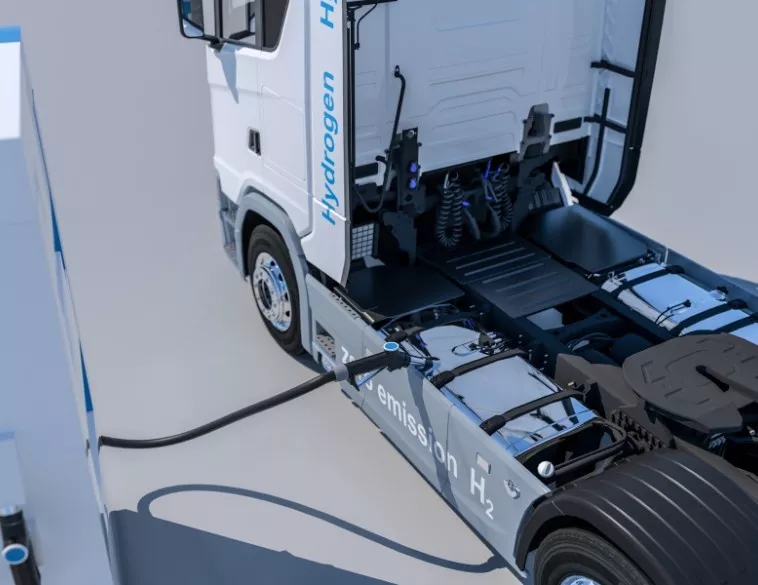
UL Solutions announced the launch of new safety testing services for hydrogen fueling station valves and dispenser hoses, helping manufacturers protect against risks such as hydrogen leaks and explosions as global adoption of hydrogen power accelerates, including for commercial vehicles and public transportation.
UL Solutions Inc. (NYSE: ULS), a global leader in applied safety science, today announced the launch of new safety testing services for hydrogen fueling station valves and dispenser hoses, helping manufacturers protect against risks such as hydrogen leaks and explosions as global adoption of hydrogen power accelerates, including for commercial vehicles and public transportation.
“Hydrogen is emerging as a key source in meeting global energy needs,” said Wesley Kwok, vice president and general manager of the Energy and Industrial Automation group at UL Solutions. “Manufacturers can now demonstrate compliance with key standards through a clear, trusted path that we are providing to help integrate safety as a foundational aspect in the world’s growing hydrogen infrastructure.”
The new UL Type Examination Certification is a voluntary, third‑party conformity assessment that entails evaluating whether hydrogen components meet the ISO 19880 series of standards. These include:
- ISO 19880-3:2018 which covers safety and performance requirements for valves used in hydrogen fueling stations, including check, excess flow, manual, shut-off, pressure safety and flow control valves as well as hose breakaway devices.
- ISO 19880-5:2025 which covers dispenser hoses and hose assemblies for hydrogen fueling at pressures up to 70 MPa.
These assessments help confirm that safety standards are incorporated into the principal design elements of hydrogen infrastructure as governments, industry and energy providers expand hydrogen fueling networks worldwide.
According to the International Energy Agency’s Global Hydrogen Review 2025 report, global hydrogen demand increased to almost 100 million tonnes in 2024.1 Hydrogen is emerging as an essential energy source in the diversified energy mix necessary for meeting rising global consumption. There is a growing need for reliable, safe and scalable energy solutions across a wide range of applications, including heavy-duty commercial trucks, passenger cars, public transit buses, trains, and forklifts.
As hydrogen infrastructure rapidly expands, manufacturers face an increasingly complex regulatory and safety landscape. UL Type Examination Certification services help streamline pathways to market access while enabling companies to demonstrate a commitment to quality and safety.
UL Solutions offers hydrogen fueling station component testing, as well as witnessed testing at other qualified laboratories. In addition to these new services, UL Solutions offers a range of safety testing capabilities for hydrogen-related products at its hydrogen testing facilities in Canada and Germany. Learn more about UL Solutions’ certification services for hydrogen fueling station components at https://www.ul.com/hydrogen.