
Daimler Truck Reconfigures Assembly Operations

Daimler Truck North America is currently making major changes to the production of its Freightliner and Western Star trucks.
The OEM made back-to-back announcements regarding the upcoming closure of its Portland plant and the construction of a new facility on the U.S. East Coast. It is a major overhaul for North America’s largest medium- and heavy-duty truck manufacturer.
With these two announcements coming just days apart, Daimler Truck North America is consolidating all its manufacturing operations in the Carolinas. Daimler Truck North America builds trucks, school buses, and RV and utility chassis at plants located in Cleveland, Gastonia, Mount Holly, and High Point, North Carolina, as well as Gaffney, South Carolina. Although the exact location of the new plant has yet to be determined, the intent to reduce distance between production sites and move closer to key suppliers is clear—a decision coming at the end of a down cycle in commercial vehicle sales in Canada and the United States. Most analysts and major OEMs agree that the coming years should bring a noticeable surge in purchases from major transport fleets across North America.
“This new manufacturing facility supports our long-term growth plans for North America,” said Karin Rådström, President and CEO Daimler Truck. “It strengthens our ability to serve customers by responding faster and more flexibly to their evolving needs while unlocking our full potential through growth, scale and efficiency in line with our global strategy.”
“Our industry never stands still, and neither can we. This investment reflects our confidence in the future of commercial transportation and the strength of the North American market,” said John O’Leary, president and CEO of DTNA. “We are building for the future by creating a manufacturing network that is more flexible, resilient, and aligned with our customers' evolving needs. This facility will strengthen our ability to deliver industry-leading products while supporting long-term growth in the United States.”
Work on the new plant is set to break ground by the end of the year. DTNA aims to have the facility up and running in time for 2029, coinciding with the 100th anniversary of Freightliner founder Leland James's entry into the trucking industry.
End of a major chapter
While shifting production to the U.S. East Coast makes sense from a business standpoint, closing the Portland plant remains a historic milestone in North American heavy-duty manufacturing history—and one with a direct impact on Canada. The Portland facility opened in 1947 under the Freightliner banner. In 2000, Daimler-Chrysler, already owner of Freightliner, acquired Western Star, a niche truck manufacturer based in Kelowna, British Columbia.
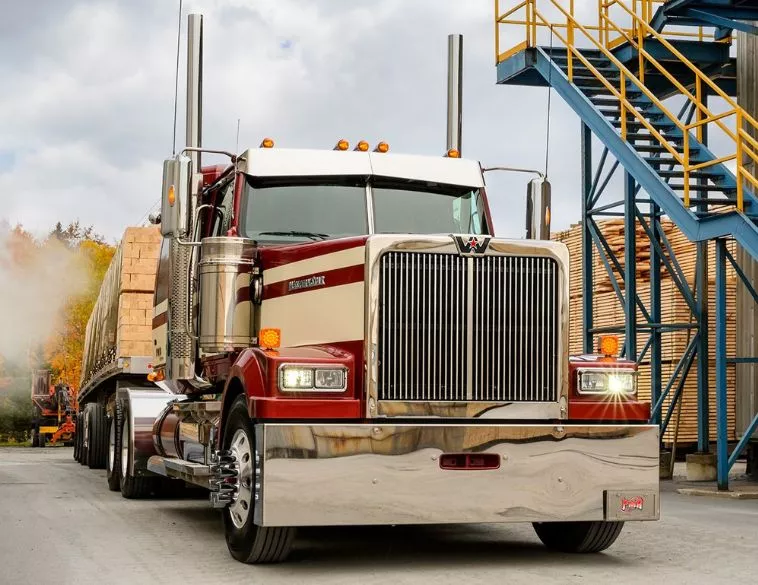
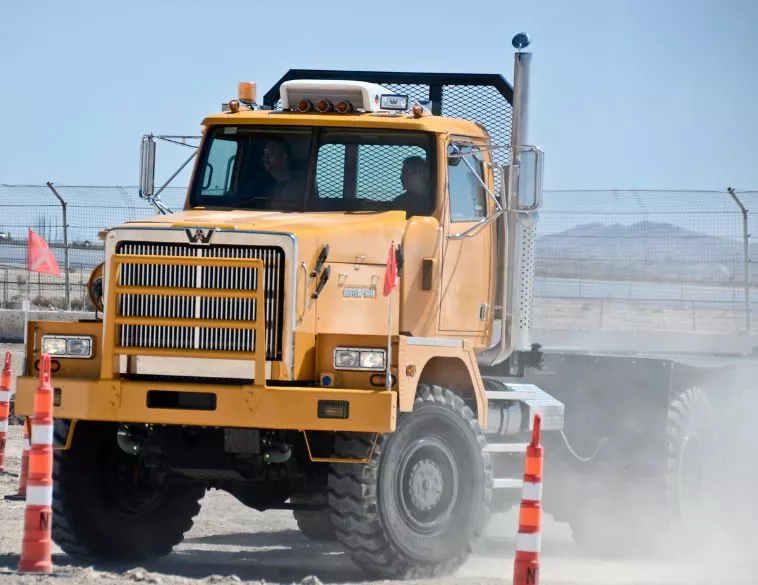
Founded in 1967 as White Western Star, the boutique truck maker built a solid reputation in oilfield and forestry sectors. Following the 2000 acquisition, production of these rugged trucks was transferred to the Portland, Oregon plant. From that point on, Western Star became a vital player in severe-duty transport, logging, and construction operations.
For years, Western Star’s 4900 series set the benchmark in heavy-haul industries. Although its market share remained modest continent-wide, Western Star models were preferred trucks in Quebec and Western Canada, forming the most common pairing seen on logging roads alongside PACCAR’s Kenworth.
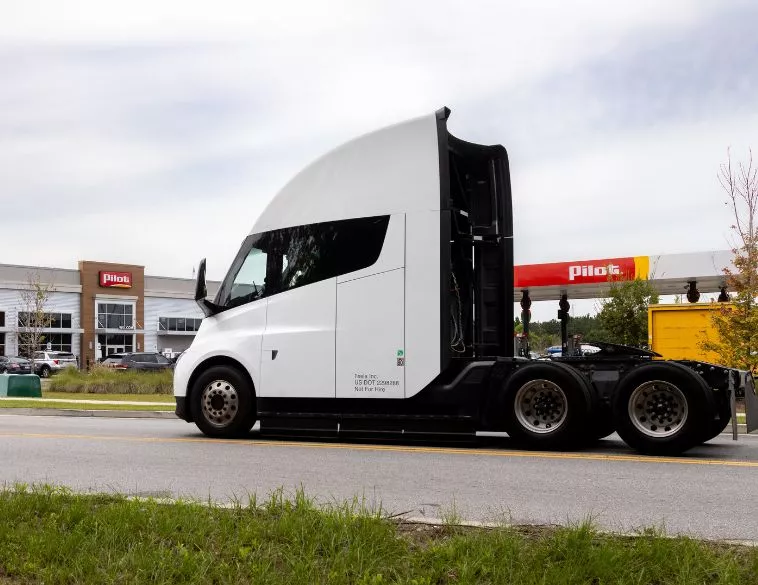
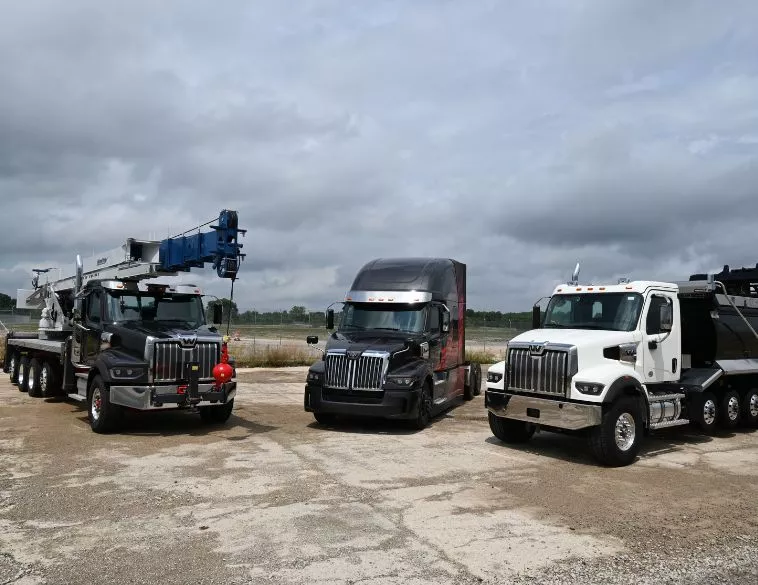
In 2020, DTNA initiated a complete overhaul of the Western Star brand: the iconic 4900 gave way to the 49X, built with the same cab structure as North America’s best-selling highway tractor, the Freightliner Cascadia. While many lamented the end of an era as the 4900 was phased out, playfully nicknaming the 49X the “Westliner”, truck drivers were won over by the new vehicle's technological advancements and cab comfort. With this shift, almost all DTNA production transitioned to a shared cab platform. Following a plant conversion to accommodate the new cab design, Portland became DTNA’s site for lower-volume builds, namely its electric trucks, the eCascadia and eM2. At the same time, production for parts of the 49X and 47X vocational lines was moved to North Carolina.
With electric truck sales falling short of expectations, DTNA was left operating a plant thousands of kilometres away from its other production hubs without enough volume to justify keeping the doors open. The decision came down on July 30, bringing an end to a major chapter for the roughly 375 employees at the Portland plant.
“This decision was not made lightly,” DTNA’s communications team explained. “The Portland team has played a critical role in DTNA's success for decades, and we are deeply grateful for the dedication, expertise, and contributions of our employees.”
Curiously, while DTNA is closing its sole production facility on the U.S. West Coast, North America’s largest truck maker isn't leaving Portland entirely.
“Our commitment to Portland remains strong,” representatives noted. “Portland will continue to serve as DTNA's North American headquarters and a key center for engineering, innovation, product development, testing, and validation. We recently expanded our footprint with the opening of a new Engineering Building, further strengthening Portland's role in developing the next generation of commercial vehicle technologies.”
Despite warm wishes and reassuring statements, one fact remains clear: Western Star is officially becoming an “Eastern Star.”