

Powering the EV Transition
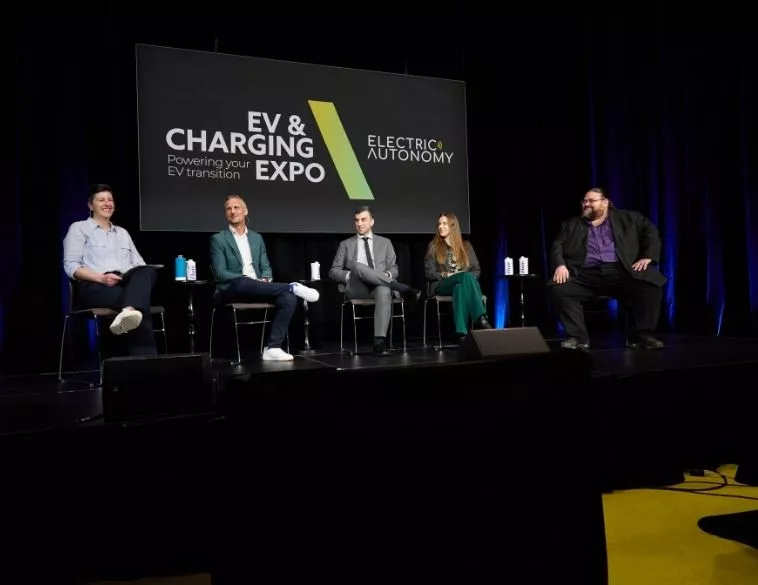

New federal and provincial incentives are reshaping the economics of fleet electrification, if operators can navigate the fine print.
As fleet electrification accelerates across Canada, one barrier continues to loom large: upfront cost. A recent industry panel, moderated by Ilana Weitzman, VP, Strategic Development, Clean Transportation, Electric Autonomy during the 2026 EV & Charging Expo in Toronto, outlined a growing suite of federal and provincial programs designed to ease that burden.
The panel, which included Sylvain Cabanetos, Business Development Director, Chargepoly Canada; Joe Homsy, Policy Advisor, Transport Canada; Martha Breithaupt, Partner, Tax - Credits & Incentives, BDO, and Bryan Watson, Managing Director, CleanTech North, also highlighting the complexity fleets must navigate to access available incentives and rebates.
Electric Vehicle Affordability Program
The headline announcement was the federal government’s new Electric Vehicle Affordability Program (EVAP), which officially launched on March 31, 2026, “but to help minimize impacts on the market, eligible transactions were recognized as of February 16th of this year,” added Transport Canada’s Joe Homsy.
Designed primarily for light-duty vehicles, EVAP shifts the focus from MSRP to the final transaction cost. To qualify, vehicles must be purchased for $50,000 or less, with incentives of up to $5,000 currently available at the point of sale. “The incentive levels will decline over time,” Homsy added. "Starting on January 1, 2027, incentive levels will decline to $4,000, and will go down from there.”
Businesses and fleets can access up to 10 incentives over the life of the program, while car-sharing fleets get 50 incentive per calendar year.
Accelerated Investment Incentive
Tax-based incentives are another powerful cost-cutting tool, and Canada’s Accelerated Investment Incentive (AII) allows businesses to take advantage of certain write-offs.
According to BDO’s Martha Breithaupt, last year’s federal budget made important changes to the AII. “The budget added two main items,” she explained, “including the rapid reduction, or expensing in year one, of sustainable technology properties like zero-emission non-road vehicles, including electric fork lifts, electric shunt trucks, and others.”
Businesses can also take advantage of a suite of clean economy tax credits. “You will get a fully-refundable tax credit on the purchase of eligible capital properties,” Breithaupt said. “The refund you get is 30% of the value, and similar to the EVAP, it’s based on what you actually spend on the transaction.”
Charging infrastructure can also be included, provided it is dedicated exclusively to non-road applications, explained Bryan Watson of CleanTech North. “It’s the entire cost of making that non-road zero-emission vehicle available to use, including whatever is needed to charge it,” he said.
Mandatory audits
Unlike instant rebates, these tax credits must be claimed through corporate tax filings and are subject to mandatory audits. Companies must prove not only that the assets were purchased, but that they are operational. Furthermore, it can take between eight to 10 months after a company files their year-end return for a refund to be issued.
The Quebec difference
At the provincial level, Quebec continues to lead the country with some of the most comprehensive support programs in the country. According to Sylvain Cabanetos from Chargepoly Canada, incentives vary from $5,000 for light-duty vehicles and commercial vans to $150,000 for a Class 8 truck.
Notably, the province offers bonuses for vehicles manufactured locally, and has introduced new support for used electric trucks. They also offer generous support to companies investing in electric school buses, just as long as those buses are built in Canada.
For fleet professionals willing to navigate the requirements, the financial case for electrification has never been stronger.