
Mixed Duty, Matched Tires
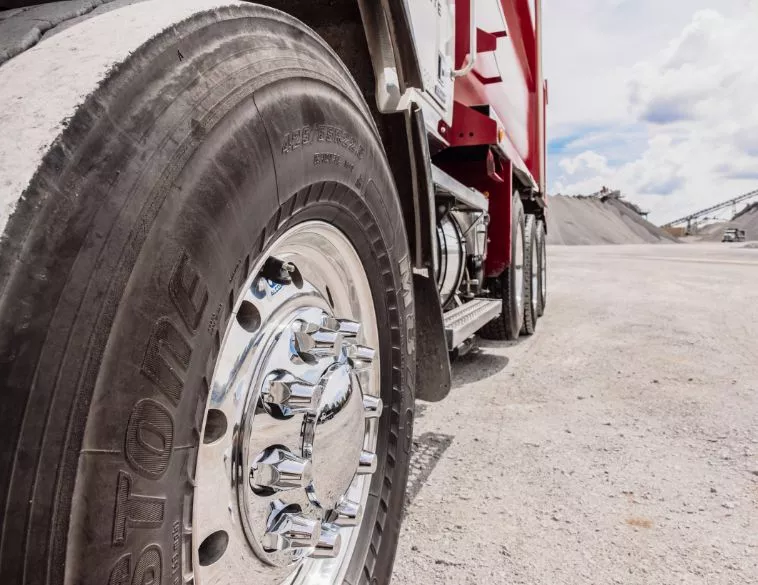
CREDIT : Bridgestone
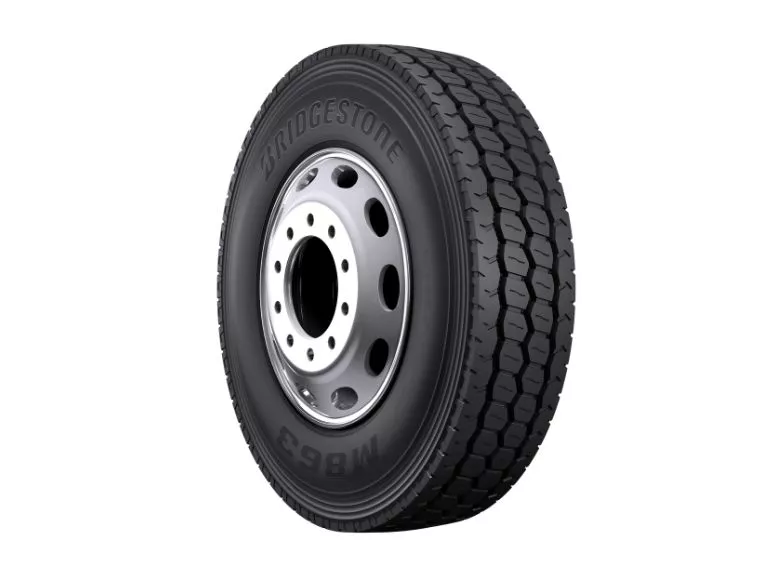
The Bridgestone M863 is built for outstanding performance both on and off the highway, and boasts featured designed to help prevent stone drilling, promote traction on wet surfaces, and extend tread life. Credit: Bridgestone
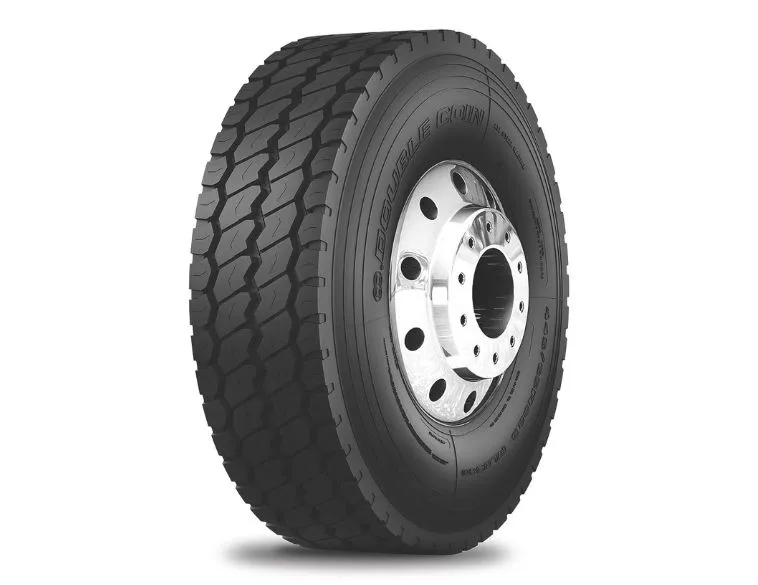
The Double Coin RLB980 premium all-purpose all-position tire. Credit: Double Coin
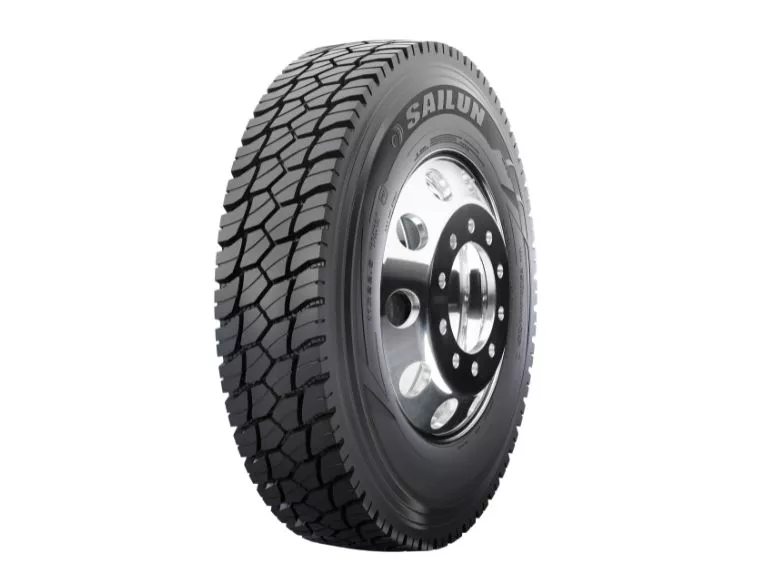
The Sailun SDM80 tire was engineered for high scrub mixed service applications, and is designed to handle severe service environments, such as heavy construction, dump trucks, ready mix trucks and waste trucks. Credit: Sailun

How Class 5–7 fleets can select tires that deliver the right combination of highway performance, off-road traction, durability and wear life.
Many medium-duty trucks spend part of their day on paved roads and part of it on gravel, dirt, construction sites or other difficult surfaces. They may also operate with dramatically different loads throughout the day.
The challenge is finding a tire that can handle the toughest conditions the truck encounters without sacrificing highway mileage, fuel efficiency, ride quality or wear.
According to Derek Diette, Manager, National Sales – TBR, Sailun Tire Americas, and Alan Eagleson, TBR Segment Manager, North America, Sailun Tire Americas, the starting point should be the truck’s actual duty cycle.
“A truck that spends 80–90% of its time on the highway but occasionally travels onto gravel or a construction site has very different tire requirements from a truck that spends 50% of its time on unpaved roads,” they say.
Gregory Kidd, Application Engineer Manager at Bridgestone Americas agrees. “It is absolutely essential for fleet operators to understand how their vehicles are being used and what percentage of their time is being spent on finished roadways versus gravel or unimproved surfaces.”
Why? According to Kidd, “unimproved road surfaces will lead to more tread cuts/tears; therefore, you will need a tire that is more resistant to cuts and tears, whereas this would not be a priority if spending the majority of the time on finished roadways.”
Terry Kindleman, Regional Sales Manager, Western Canada, Huayi Tire Canada notes that road surface is only one piece of the equation. “There are many variables that can significantly affect the actual wear, performance, and durability of a tire,” he adds. These include the material being hauled, distances travelled, road configuration, loads and operating environment.
“A fleet with multiple operating applications may need three or four different tread designs to perform successfully.”
- Terry Kindleman, Regional Sales Manager, Western Canada, Huayi Tire Canada
Aggressive options
It can be tempting to specify an aggressive mixed-service tire for any truck that occasionally leaves the pavement, but doing so may introduce unnecessary compromises if most of the vehicle's kilometres are accumulated on the highway.
The Sailun team points out that aggressive off-road tires can bring increased rolling resistance, noise, irregular wear and potentially reduced fuel economy.
“If the truck spends the overwhelming majority of its time on paved roads and only occasionally travels over a gravel road or onto a job site, a robust on-highway tire may be the better choice,” they say.
Conversely, a highway-oriented tire may be a poor choice for a truck regularly exposed to sharp rocks, mud or severe construction site conditions.
“It is important to look at the severity of the exposure rather than simply the percentage of time,” the Sailun team adds. “A truck might spend only 10% of its time off road, but if that 10% involves sharp rock and severe construction site conditions, that portion of the duty cycle can have a disproportionate impact on tire performance.”
Climate is another consideration. Kidd notes that fleets operating in some parts of Canada may need a tire with a 3-Peak Mountain Snowflake rating, even when on-road use is limited.
Consider the complete vehicle
A truck's body configuration can affect tire choice. Dump bodies, cranes, bucket equipment, utility bodies and other upfits can add considerable weight, alter axle loading and affect how a truck maneuvers.
The Sailun team says these applications can place additional stress on tires through “frequent stopping and starting, turning, job-site maneuvering and operating terrain.”
Kindleman points to the complexity created by specialized equipment. “The weight being carried, axle weights, road conditions, load differences, and overall operating conditions can all have a significant impact on tire performance and make it much more difficult to determine the proper tire for the application,” he says.
“As a result, fleets need to look beyond simply checking the tire's load rating,” says the Sailun team. “Casing strength, sidewall durability, tread design, traction and resistance to impact and abrasion all become important considerations.”
Changing loads
Mixed-duty trucks frequently operate with different loads during the same shift, and that creates another challenge: determining appropriate inflation pressure. “We always want to optimize both the tire profile and the inflation pressures for fully loaded conditions,” Kidd says. “Recommended practice is to set the tire’s inflation pressure for the maximum load being carried/hailed.”
Kindleman says fleets dealing with multiple load configurations need to monitor tire wear and operating conditions to determine whether adjustments are required.
“Finding the optimum inflation pressure for each application can sometimes become a trial-and-error process,” he says. “You need to monitor the tire wear, understand the operating conditions, and make adjustments until you find the pressure that provides the best balance of tire performance, durability, and wear.”
One tread does not fit all
For fleets with diverse operations, a one-tread-fits-all-trucks approach may seem attractive from a procurement and inventory perspective. However, that approach can result in compromises.
“One of the biggest mistakes fleets can make is trying to use one tread design for every application,” Kindleman says. “In reality, a fleet with multiple operating applications may need three or four different tread designs to perform successfully.”
He adds that different tread patterns are designed for different priorities. “You cannot expect one tread pattern to be all things to all applications,” he adds.
The Sailun team similarly cautions against selecting tires based solely on the truck's industry classification. “The biggest mistake is selecting a tire based on the truck's application or industry classification instead of its actual duty cycle,” they say.
Count of the experts
The good news is that fleets don't have to tackle the selection process alone. Kidd recommends working closely with a qualified dealer with the expertise and product knowledge necessary to recommend the right tire for the right job.
“Ultimately, the goal isn't to select the most aggressive tire or the least expensive tire,” says the Sailun team. “It is to select the tire that provides the right balance of durability, traction, mileage, fuel efficiency and cost per mile for the truck's actual job.”